







































WorldStage— The Minister of Information and National Orientation, Mohammed Idris, has said Nigeria’s economy is now on a stronger footing following the economic reforms of President Bola Ahmed Tinubu’s administration, with the country entering a new phase focused on growth, investment, jobs and shared prosperity.
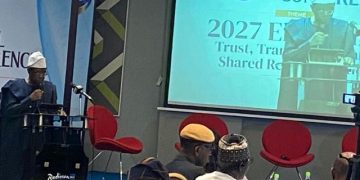
Idris said this on Thursday at a press conference in Abuja, where the Minister of Finance and Coordinating Minister of the Economy, Mr Taiwo Oyedele, also addressed the state of Nigeria’s economy and the road ahead.
The Minister said the Tinubu administration’s reforms, including the removal of fuel subsidy, were necessary to address longstanding economic challenges, strengthen public finances and redirect national resources to critical priorities.
“Three years into the Renewed Hope Agenda, the results are increasingly evident. The economy is on a stronger footing, stability is creating greater room for investment and enterprise, and Nigeria is moving decisively into a new phase of growth, opportunity and shared prosperity,” Idris said.
He said President Tinubu had described the next phase of the economic programme as “From Reform to Prosperity”, with greater attention now focused on ensuring that the gains of the reforms translate into better opportunities and improved living conditions for Nigerians.
“The focus now is on impact, ensuring that the gains of reform translate more directly into the everyday lives of Nigerians through more jobs and opportunities, stronger businesses, increased incomes, lower living costs and an improving quality of life,” he said.
The Minister said the engagement was particularly important as Nigeria continued to implement economic reforms and work towards translating them into tangible benefits for citizens.
Earlier, Idris expressed the Federal Government’s condolences to the families of those who lost their lives in the Nigerian Air Force aircraft crash in Igbokoda, Ondo State, on Monday.
Speaking at the briefing, the Minister of Finance and Coordinating Minister of the Economy, Mr Taiwo Oyedele, acknowledged the pressure that higher fuel prices were placing on households and businesses, but explained that the Federal Government’s approach was to provide relief without returning to a broad fuel subsidy.
He outlined measures including increased local refining, tax and duty waivers on petroleum products, CNG adoption, targeted support for vulnerable households and businesses, and further steps to reduce fuel price volatility.
“Removing subsidy has never meant doing nothing. The government has taken measures to moderate prices in ways that are sustainable, and we are taking further steps to ease the pressure on households and businesses,” Oyedele said.
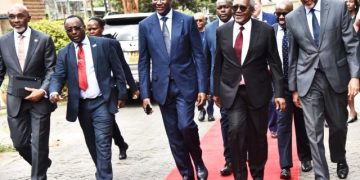
In attendance were the Minister of State for Petroleum Resources (Oil), Senator Heineken Lokpobiri; the Special Adviser to the President on Information and Strategy, Mr Bayo Onanuga; the Comptroller-General of the Nigeria Customs Service (NCS), Bashir Adewale Adeniyi; the Group Chief Executive Officer of the Nigerian National Petroleum Company Limited (NNPC Ltd), Bashir Bayo Ojulari; and the Permanent Secretary, Federal Ministry of Finance, Raymond Omachi, among other dignitaries.