










































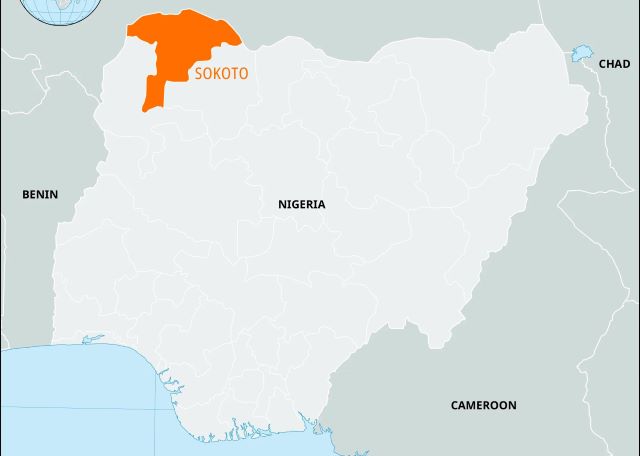
WorldStage– The Sokoto State Government has directed all public and private schools across the state to immediately intensify strict preventive measures following alarming reports of diphtheria outbreaks in several neighbouring states.
Sokoto’s preventive response comes amidst heightened national anxiety over a resurgence of diphtheria across northern Nigeria, with states like Kano, Katsina, and Zamfara grappling with significant case numbers.
The proactive directive aims to shield school-aged children, who remain the most vulnerable demographic, from contracting the highly contagious bacterial infection.
The state’s mandate was communicated through an official statement released on Wednesday by the Ministry of Basic and Secondary Education.
The Commissioner for Basic and Secondary Education, Professor Ahmad Ladan Ala, tasked school principals, head-teachers, and relevant management authorities to take charge of active health surveillance within their domains.
He urged school administrators to closely monitor the physical well-being of both students and staff members and to ensure that any suspected cases are isolated and reported to medical authorities without delay.
Disclosing the directive in Sokoto, the ministry’s Public Relations Officer, Ibrahim Muhammad Iya, emphasized that early detection is paramount to halting potential transmission within the state’s borders.
The government stressed that classrooms and crowded school environments could easily accelerate the spread of the disease if basic precautionary protocols and proper hygiene are neglected.
To equip educators, parents, and guardians with necessary information, the Ministry outlined the critical symptoms of diphtheria to watch out for.
According to details published by the Daily Post Nigeria, these clinical signs include an acute sore throat, hoarseness, mild fever, chills, and noticeably swollen glands in the neck.
Other warning signs include general body weakness, severe fatigue, a persistent runny nose, a dry cough, and acute difficulty in swallowing or breathing.
The education authorities highlighted the development of a thick, greyish membrane covering the throat or tonsils as a definitive marker of the infection.
Public health experts indicate that a major driver of this regional upsurge is low routine immunization coverage among young children.
While Sokoto has not declared an active crisis, the government’s directive aligns with recent national health guidelines issued by the National Primary Health Care Development Agency.
School authorities across Sokoto State are now expected to step up environmental sanitation, enforce regular hand washing with soap, and collaborate with parents to verify the immunization status of their children to ensure maximum protection against the disease.