
















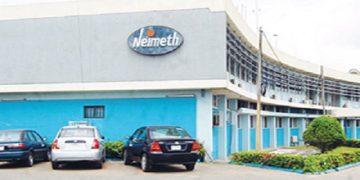



















WorldStage— The Federal Government has restored full autonomy to the National Commission for Mass Literacy, Adult and Non-Formal Education (NMEC).
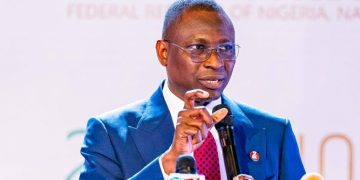
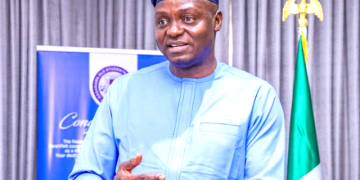
The announcement was made today, Friday, September 4, 2026 in Abuja by the Minister of State for Education, Prof. Suwaiba Ahmad, during the ministerial press briefing marking the 2026 International Literacy Day.
International Literacy Day is a global observance held every year on September 8 to highlight the importance of literacy as a matter of dignity and human rights.
The Day was declared by UNESCO in 1966 to remind the public and leaders that literacy is a fundamental human right and thereby brings attention to the millions of youths and adults worldwide who still lack basic reading and writing skills.
Speaking under the theme “Literacy for People, The Planet and Prosperity,” Ahmad emphasised that the restoration of NMEC’s independence is a decisive step towards tackling the critical challenge of adult illiteracy across Nigeria.
According to the Minister, the policy shift aims to swiftly empower millions of citizens who currently lack basic literacy and numeracy skills, seamlessly integrating them into the nation’s economic landscape.
Ahmad noted that the theme serves as a timely reminder that literacy extends far beyond the traditional ability to read and write. “It is the foundation of human dignity, sustainable development, and shared prosperity,” the Minister stated.
She further stressed the importance of connecting literacy programs directly to the practical realities of daily life.
This, she remarked, will enable everyday citizens to acquire essential vocational skills, participate meaningfully in modern economic activities, and effectively harness digital technologies to improve their overall livelihoods.
The declaration comes amid broader efforts by the Federal Government to modernise adult education in Nigeria. Over the past year, NMEC has increasingly transitioned away from analogue formats.
The commission has embarked on aggressive digital competency training for facilitators nationwide and scaled up functional literacy initiatives linking basic education with trade skills.
By empowering NMEC with structural autonomy, the government hopes to accelerate these tech-driven campaigns.
The agency previously detailed a strategic roadmap targeting digital and vocational education access for over 50 million young adults who dropped out of school or never had the opportunity to attend.Officials at the briefing expressed optimism that the renewed mandate will help bridge the country’s existing educational divide.
They concluded that sustainable development and national prosperity are fundamentally impossible without an inclusive, literate populace.
With full autonomy restored, NMEC is now expected to scale up its grassroots outreach, vocational center partnerships, and digital learning platforms across the 36 states and the Federal Capital Territory.
Being literate today goes beyond traditional reading and paper. It includes digital, media, and information skills to navigate a modern technological world safely.
Literacy helps reduce poverty, promotes gender equality, and builds peaceful, sustainable societies.
Nigeria’s Federal Ministry of Education adopted the theme because it aligns directly with the official global focus set by UNESCO for the 60th anniversary of International Literacy Day.
The ministry chose and echoed this specific framework to emphasize several critical national and international goals, which include promoting inclusion by ensuring that marginalized and out-of-school populations in Nigeria gain access to basic education; supporting sustainability by connecting foundational learning to environmental awareness and long-term community resilience; and driving economic growth by highlighting literacy as a vital tool for expanding livelihood opportunities, reducing poverty, and fostering national development.