




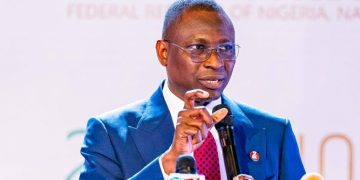





































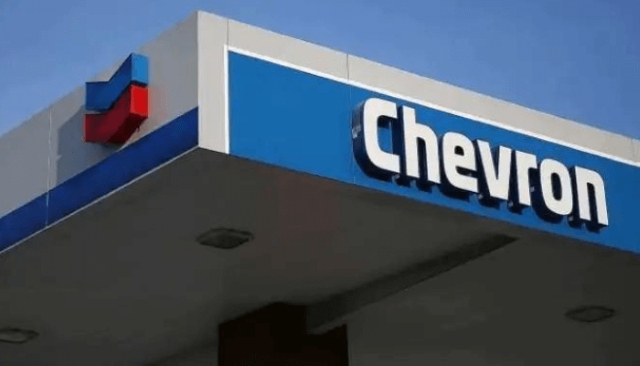
WorldStage— Mr Segun Kuteyi, Acting Chairman and Managing Director, Chevron Nigeria Ltd., has urged predictable policies to boost investment and growth in Nigeria’s oil and gas industry.
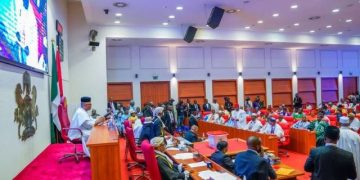
Kuteyi made the call at the ongoing 2026 PENGASSAN Energy and Labour Summit in Abuja, themed, “Strengthening Regulatory Frameworks as a Catalyst for Stability and Growth in Nigeria’s Oil and Gas Industry.”
He said regulatory certainty was critical to attracting investors, noting that petroleum projects required huge capital commitments and long-term planning before returns could be realised.
“The most important thing is predictability. Capital is agnostic to location; it is simply searching for where superior returns will come, and competition continues to get more challenging,” he said.
Kuteyi said stability was also crucial to workers, host communities and governments, enabling career development, economic opportunities, revenue planning and sustainable development across the industry.
“Workers need stability because it is critical to their career development. Communities need stability to establish economic opportunities, while governments need it to plan revenues and budgets,” he said.
He commended progress under the Petroleum Industry Act (PIA) 2021, saying collaboration among government, regulators and industry stakeholders had improved transparency and provided greater clarity for investors and operators.
“Nigeria must keep strengthening the regulatory framework to remain attractive, competitive and resilient,” Kuteyi said, adding that clear policies would enable businesses to plan decades ahead and commit resources confidently.
He said transparency, accountability and efficient regulatory processes were essential for building trust, while effective regulations should safeguard national interests and promote innovation, investment and operational excellence.
Kuteyi said Chevron’s exploration, appraisal and development activities reflected confidence in Nigeria’s potential, noting that the company had renewed its joint venture and deepwater leases following implementation of the PIA.
“We are here because we see a lot of potential. We are seeing clarity, stronger regulations and promise for the future,” he said.
He identified oil theft, vandalism, infrastructure challenges, investment competition and workforce readiness as industry concerns, urging stakeholders to sustain collaboration and drive investment across the energy value chain.
Mr Olatunji Akinwumi, Executive Director, Corporate Services, TotalEnergies E&P Nigeria Ltd., said regulatory changes required adequate consultation to prevent uncertainty and protect existing and prospective investments.
“What happens when there is a lack of clarity? What happens when we change the rules? If you change the rules midway, you confuse everybody,” Akinwumi said.
He warned that unintended consequences could shift investors’ attention from growth to protecting existing investments, emphasising that stability was necessary to achieve Nigeria’s production targets.
“For us to achieve that, we must ensure that whatever changes we make do not have unintended consequences that can distract us from growth,” he said.
Akinwumi urged the government, regulators, operators and labour to deepen consultations, saying predictable governance remained essential for attracting capital, expanding production and achieving Nigeria’s long-term oil and gas ambitions