










































WorldStage– The Independent National Electoral Commission (INEC) and the National Bureau of Statistics (NBS) have expressed commitment to deepening collaboration to improve data collection, management, and usage for national development.
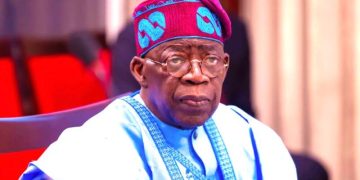
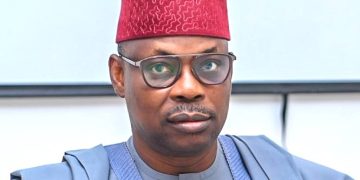
This commitment was reaffirmed when INEC Chairman, Prof. Mahmood Yakubu, hosted the Statistician-General of the Federation, Prince Adeyemi Adeniran, and his team at the Commission’s headquarters in Abuja on Tuesday.
Prof. Yakubu described the meeting as historic, being the first official engagement between both institutions. He emphasized that while NBS holds the largest official database on national life, INEC manages the most extensive database of adult citizens—making the partnership strategic for governance, policy planning, and democracy.
He noted that INEC’s infrastructure, traditionally used for elections, could support other national initiatives. “We are always willing to partner with national agencies within the confines of the law while maintaining our independence,” he said, citing the Commission’s role during the COVID-19 pandemic as an example of its institutional flexibility.
Yakubu also urged NBS to integrate the condition of polling units and collation centres especially in terms of electricity, water, and accessibility into its national reports. He further encouraged stakeholders to explore INEC’s Atlas of Electoral Constituencies and the Electoral Facilities Locator (EFLoc) for reliable mapping of electoral infrastructure.
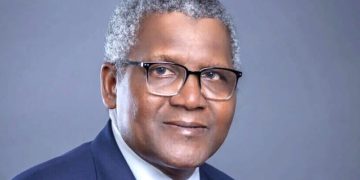
On his part, Prince Adeniran commended INEC’s credibility and transparency in electoral management, pledging that NBS would integrate INEC data into its forthcoming Integrated System of Administrative Statistics (ISATS) to enhance data sharing across government agencies.
“We have been having these collaborations with different agencies. We did a similar thing with the Ministry of Agriculture when we produced the Census of Madrid.
We also have collaborations and discussions with federal ministries, including humanitarian affairs. We have had this meeting with the Ministry of Education, and we are developing a system that will allow us to link up with these agencies that are producing official data for the country.
So that we don’t have to be bringing flash-disk copy data. The kinds of data we are talking about are big data they run every day, and they are changing all the time.
There should be a system by which you can link up with your system here and then get the data seamlessly.”
Both organisations agreed to sustain the partnership as part of a broader drive to build a stronger data ecosystem that supports democracy and development in Nigeria.