
















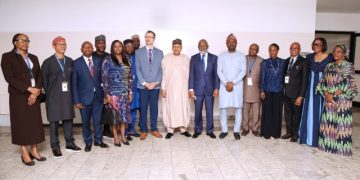

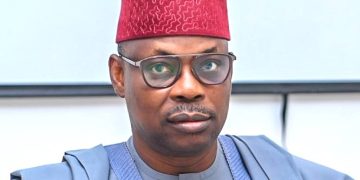




















Dr Melchior Aissi, Director General of the West African Health Organisation (WAHO), has emphasised that no country can eliminate malaria in isolation.
Aïssi disclosed this on Saturday via WAHO’s social media handle during the 27th Ordinary Session of the ECOWAS Assembly of Health Ministers.
He advocated for a coordinated regional approach built on solidarity, harmonised interventions, and strengthened data and resource sharing.
He acknowledged progress, including Cabo Verde’s malaria-free certification, but cautioned that sustaining gains required stronger political commitment.
He added that technical rigour and sustained domestic financing were critical to maintaining momentum against the disease.
Aïssi also presented the regional strategic framework for malaria elimination, which prioritised strengthened health governance, digital transformation, effective data use, local innovation, and community engagement.
He reaffirmed the ambition to eliminate malaria across the ECOWAS region within the next decade.
Speaking on behalf of technical and financial partners, Mr Dionke Fofana, Lead of WAHO partners, reiterated continued support for strengthening health systems in the region and stressed the need for shared priorities among member states.
Fofana called for intensified regional efforts through integrated approaches focused on domestic financing, innovation, data-driven decision-making, and stronger private sector engagement.
He also commended WAHO leadership for progress made in spite of ongoing challenges.
According to him, the Assembly is expected to review the 2025 WAHO Annual Report, adopt the Regional Framework for Malaria Elimination, and consider the Freetown Charter.
It will also address key strategic priorities, including strengthening health financing, aligning with breastfeeding standards, and integrating health into climate change adaptation strategies.





