













































WorldStage– Nigeria’s Vice-President Kashim Shettima, has called on global partners, industry leaders, and policymakers to deepen investment in the Federal Government’s ongoing skills acquisition drive targeting millions of Nigerian youths.
Shettima made the call on Tuesday in Abuja when he declared open the National Skills and Industry Alignment Roundtable Series (Q1 2026).
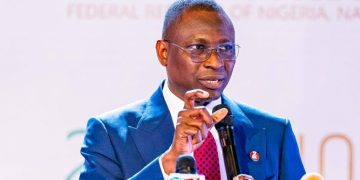
Represented by the Deputy Chief of Staff to the President, Sen. Ibrahim Hadejia, the vice president called for more investments in skills acquisition to create jobs that are enterprising enough to drive economic growth.
The theme of the roundtable is, “Bridging Skills Supply and Labour Market Demand.”
The event was convened by the Office of the Vice President, with support from the European Union (EU).
Shettima emphasised the need for clarity, collaboration, and coordinated results from relevant stakeholders.
He commended the EU for its continued partnership and support for Nigeria’s job creation and youth development agenda.
The vice president noted that the collaboration had been instrumental in strengthening coordination and advancing collective efforts to create opportunities for young Nigerians.
According to him, Nigeria stands at a decisive moment in its history, being home to one of the largest youth populations in the world.
Shettima noted that millions of youths entered the labour market annually, full of ambition, energy, and potential.
He, however, observed that the majority of available jobs were informal, unstable, and not fully connected to productivity and growth.
“Nigeria does not have a talent problem. Until skills meet industry demand, job creation will remain below its full potential,” he said.
Spotlighting the government’s position, the vice president affirmed that the Tinubu’s administration is determined to address the challenge.
“We are moving away from fragmented programmes, isolated interventions, and uncoordinated investments toward a more coherent national system.
“In 2025, with the support of the EU, the office of the vice president undertook a mapping of the national job creation ecosystem and convened a National High-Level Policy Dialogue on Job Creation.
“That engagement made it clear that sustainable employment will not come from government alone, but from a coordinated ecosystem where the private sector leads and government enables.
“It is in continuation of that effort that we are gathered here today,” he said
Shettima emphasised that, while government must align programmes with real economic demand, all stakeholders have a role to play in actualising President Tinubu’s skills policy direction.
“Job creation cannot be outsourced to government alone—industry must take its place at the table, not just as employers but as co-creators of the workforce Nigeria needs.
” The private sector must clearly articulate the skills it requires and actively participate in shaping them.
“Development partners also have a critical role—not just in funding programmes, but in supporting alignment, coordination, and scale around what works.
” Ultimately, what we are seeking is simple—clarity, collaboration, and results,” he said.
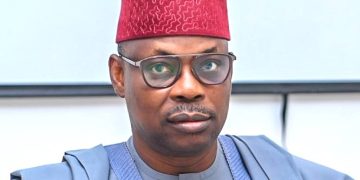
The Minister of Housing and Urban Development, Ahmed Dangiwa, stated that the roundtable was very important to the ministry, noting that many employers were seeking skilled workers.
He explained that housing development involves a wide chain of activities—from architects to engineers to bricklayers—and requires collaboration among stakeholders and development partners.
The EU Head of Cooperation for Nigeria and ECOWAS, Massimo De Luca, acknowledged ongoing collaboration with the office of the vice president and other development partners.
He also applauded the Tony Elumelu Foundation’s efforts on skills development and job creation.
According to him, the EU has, in recent years, focused on fostering organic engagement within Nigeria’s production system.
He commended the office of the vice president for ensuring that relevant fellowship programmes for Nigerians, such as 3MTT are embedded within a broader ecosystem.
The Senior Special Assistant to the President on Delivery and Coordination, Akubo Adegbe, described the roundtable series as a deliberate and ongoing effort to strengthen coordination across Nigeria’s job creation ecosystem.He added that the series serves as a structured platform to bring together key actors to deliberate on how to impact priority sectors of the economy, moving from collaboration to measurable outcomes.