













































WorldStage– Nigeria is reportedly in advanced discussions with the United States to establish a new security partnership aimed at tackling the country’s escalating insecurity, including terrorism, insurgency, and communal violence.
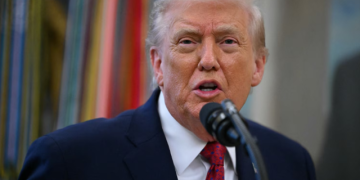
The development follows a US congressional fact-finding mission to Nigeria, mandated by President Donald Trump, amid Washington’s concerns over alleged religious persecution and violence against Christians.
For decades, Nigeria has grappled with severe security challenges. In the North-East, Boko Haram and ISIS-linked factions have caused over 40,000 deaths and displaced around two million people since 2009, with violence spilling into neighboring Niger, Chad, and Cameroon.
In the North-West, “bandit” gangs have carried out kidnappings, raids, and killings, while the Middle Belt has seen recurring communal clashes, which the US has sometimes framed as potential genocide against Christians, a characterization Nigerian authorities reject, attributing the violence to criminality, resource disputes, and insurgency.
Former President Olusegun Obasanjo has called for global intervention to address these crises.
The proposed pact would build on the longstanding 50-year-old ties between the two nations, which already include US arms sales, military training programs, and joint exercises.
Key elements under discussion reportedly include enhanced counterterrorism cooperation, intelligence sharing, security support for insurgency-affected regions, expedited processing of Nigerian requests for defense equipment, and the potential provision of excess US defense articles.
A joint working group is also planned to coordinate efforts, with Nigeria’s delegation led by National Security Adviser Nuhu Ribadu and comprising senior ministers and military officials.
While no signing date or full implementation timeline has been announced, talks are described as advanced, following a Nigerian delegation’s visit to Washington in mid-November 2025 and the subsequent visit by a US congressional delegation to Nigeria.
The US side is led by Congressman Riley Moore and includes a five-member delegation, with involvement from President Trump, Defense Secretary Pete Hegseth, Secretary of State Marco Rubio, Senator Ted Cruz, and House Appropriations Committee Chairman Tom Cole.
Moore described the discussions as “positive” and expressed optimism about establishing a close strategic security framework.
On the Nigerian side, President Bola Tinubu, NSA Nuhu Ribadu, Attorney General Lateef Fagbemi, and Information Minister Mohammed Idris Malagi have emphasized cooperation while rejecting US claims of religiously motivated violence, but that insecurity affects all communities.
Nigeria views the proposed partnership as an opportunity to address its security challenges comprehensively while rejecting divisive narratives.
Additional bilateral sessions have also focused on kidnappings and alleged persecution, signaling deepening legislative engagement between both countries on security issues.