


















































WorldStage– The United States government has announced a significant expansion of its travel restrictions, alongside a pause on certain immigration processes, affecting nationals from dozens of countries, including Nigeria.
The new measures, issued under the Trump administration, include limits on entry for both immigrants and nonimmigrants, as well as a temporary suspension of green card and citizenship applications for affected individuals currently in the U.S.
On December 16, 2025, President Donald Trump signed a proclamation citing national security concerns, inadequate vetting systems, high visa overstay rates, and threats of terrorism or crime as reasons for restricting entry from designated countries.
The proclamation, effective January 1, 2026, at 12:01 a.m. EST, builds on previous bans from June and October 2025.
Notably, the restrictions do not apply to individuals already in the U.S. on valid visas or lawful permanent residents.
In parallel, U.S. Citizenship and Immigration Services (USCIS) has been instructed to pause processing of all immigration benefits for nationals of affected countries.
This includes green card petitions, adjustment of status applications, and naturalization requests, even for those already residing in the U.S. on other visas.
Critics have labeled the policy discriminatory, highlighting its disproportionate impact on African and Asian nations.
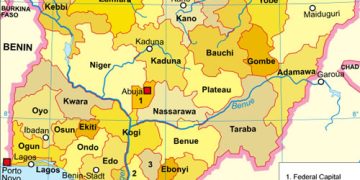
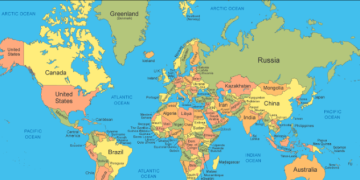
The measures cover roughly 39 countries. Nigeria falls under partial restrictions, which suspend immigrant entries and certain nonimmigrant visas, such as B-1/B-2 business/tourist, F student, M vocational, and J exchange visas.
Other countries, including Afghanistan, Iran, and Syria, face full suspensions, barring all immigrant and nonimmigrant entries.
Exemptions include U.S. lawful permanent residents, dual nationals with a passport from a non-affected country, certain diplomatic, NATO, or UN visas, major sporting event personnel, and special immigrant visas for U.S. government employees.
Case-by-case waivers are also possible for national interest, humanitarian reasons, or family reunification.
The policy does not affect asylum seekers, refugees, or individuals seeking protection from torture.
This expansion follows earlier bans and an October 2025 designation of Nigeria as a “country of particular concern” regarding religious freedom.
Observers note that over 60% of African countries are now affected, prompting concerns over broad diplomatic and economic implications.
Affected individuals are advised to consult official USCIS or State Department resources for updates, as the situation remains fluid.