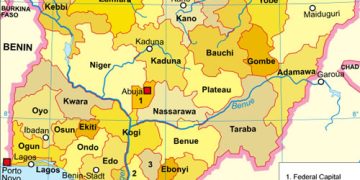








































WorldStage– Across Nigeria, a quiet revolution is reshaping how children graduate from school and how parents pay for education. States like Ebonyi, Kogi, Ondo, Imo, and Abia are leading the way, banning expensive graduation parties for pre-nursery, nursery, and primary pupils and insisting that textbooks be reused for several years.
These moves, according to Mr. Gbenga Adebamiwa, a public analyst, are designed to save parents millions of naira, curb exploitation, and restore focus on learning.
In Ebonyi State, Commissioner for Education Dr. Donatus Ilang declared that henceforth, only pupils completing JSS3 and SS3 will hold graduation ceremonies. The government argues that many schools have turned graduation parties into profit-making ventures, forcing parents to pay for clothes, fees, and events that add no real academic value. Kogi, Ondo, and Imo have followed with similar directives, citing the need to end “exploitative practices.”
Abia State joined the reform wave in September, mandating that ceremonies be limited to terminal classes. In Sokoto State, education authorities have banned “sign-out day” celebrations in secondary schools after years of safety concerns and disruption.
These measures collectively signal a nationwide shift toward modesty and discipline in school culture.
The second major change is the textbook reuse policy. States including Ebonyi, Anambra, Kogi, Ondo, Imo, Benue, and Plateau have introduced rules requiring that textbooks remain usable for at least four academic sessions.
Teachers are now instructed to give assignments in exercise books or workbooks, ensuring textbooks remain clean for the next set of students. This simple step could dramatically reduce the cost of education, especially for parents with two or three children enrolled in the same school.
Parents have largely welcomed these policies, describing them as a financial relief. “Every term we spend tens of thousands on books and graduation costumes,” said Mrs. Nkem, a mother of three in Anambra. “If the government can stop this exploitation, then we can focus on paying school fees and feeding the children.”
But not everyone is pleased. Some school proprietors argue that graduations are an important source of motivation for pupils and a way for schools to showcase achievements. “We agree that ceremonies should be modest,” said a school owner in Ondo, “but abolishing them completely takes away the joy of accomplishment.” Others fear that enforcing textbook reuse will be difficult, especially where students are used to writing inside the books.
Education analysts, however, see the reforms as a step in the right direction. Beyond saving money, they argue, the policies promote discipline, equity, and a renewed focus on academic excellence. Ebonyi State has gone further by introducing compulsory entrepreneurship and vocational training, so students graduate not just with certificates but with practical skills they can use after school.
The bigger question is whether more states especially Lagos, Oyo, and Ogun will join the movement. These states have the highest concentration of private schools in the country, where costs are often highest and graduation parties most elaborate. Policy experts say their participation could bring uniformity and make the reforms truly national.
Some have even called on the Federal Government to adopt a standardized policy through the Universal Basic Education Commission (UBEC), ensuring that all Nigerian children benefit equally.
“We need to move from piecemeal reforms to a national framework that protects parents and keeps education affordable,” said Dr. Kolade Agboola, an education consultant based in Ekiti.
At the heart of the debate lies a simple truth, education should be about learning, not pageantry.
As more states tighten the rules, Nigerians are watching closely to see whether the focus will finally shift from lavish displays to meaningful knowledge.
The wave of reforms may be controversial, but they are forcing parents, schools, and policymakers to ask a tough question. Are we educating for show, or for the future?