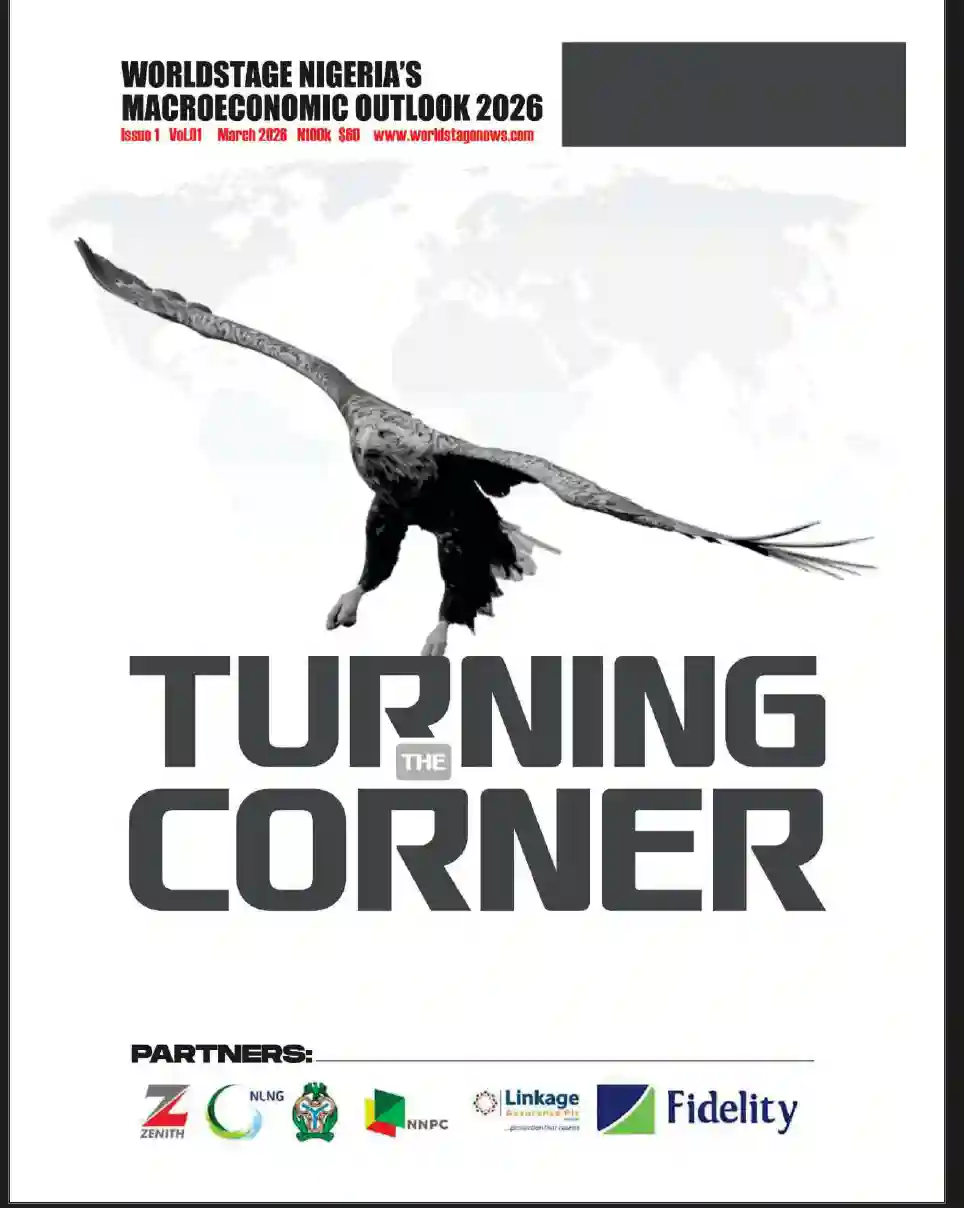

















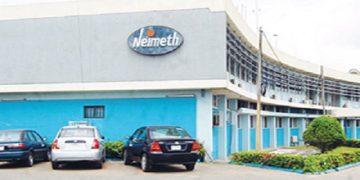





















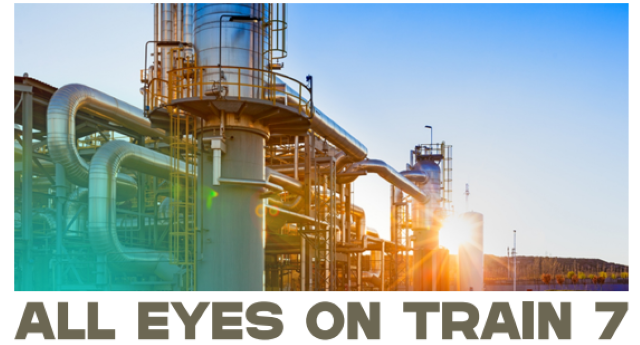
WorldStage Nigeria’s Microeconomic Outlook 2026– Nigeria’s LNG outlook for 2026 is shaped by the imminent completion and commissioning of the the $10 billion Nigeria LNG (NLNG) Train 7 project, positioning the country to benefit from a major global supply surge while navigating a transitional market with potential price pressures.
The train 7 project is expected to boost production capacity by 35% to 30 million tons per year. It is crucial for Nigeria’s position as a leading LNG supplier in Africa.
The project’s status as of mid-February 2026 is at approximately 88% completion. Contractors (SCD JV: Saipem, Chiyoda, Daewoo) are said to be intensifying efforts to meet the timeline despite global and local challenges. The project remains on track for commissioning in 2026, with some sources pointing at mid-2026 based on original schedules and recent “realigned” commitments. This adds one full liquefaction train plus debottlenecking, increasing NLNG’s total capacity from 22 million tonnes per annum (mtpa) to 30 mtpa (an 35% boost, with Train 7 contributing 8 mtpa).
This expansion aligns with the expected global LNG supply wave in 2026, often described as the industry’s largest ever, with new capacity additions (including from Qatar, US projects like Golden Pass, Australia’s Scarborough, and Nigeria’s Train 7) totaling roughly 93 mtpa across 2025-2026. Analysts forecast global LNG supply growth of 7-10% in 2026, potentially reaching 460-484 mtpa.
Market Dynamics
Demand and Supply Balance: 2026 is viewed as a transitional year- moving from tightness to more balance or even net long (oversupply) conditions. Global demand is projected to rise 8.5% to around 441 mtpa, driven mainly by Asia, with Europe’s imports stabilizing (120 mtpa) amid limited Russian pipeline gas returns. Supply additions could outpace demand in some forecasts, leading to utilization drops and softer prices.
Price Outlook: Spot LNG prices may fall from $12/MMBtu in 2025 to an average of $9/MMBtu in 2026-2028 due to the influx.
Opportunity
The timing positions Nigeria to capture revenue gains from higher export volumes amid the surge. As Africa’s leading LNG exporter (historically 6-8% global share), Train 7 enhances its role as a reliable supplier, especially to Atlantic and emerging markets. It supports Nigeria’s “Decade of Gas” agenda, monetizing vast reserves (200+ Tcf), reducing flaring (already down to under 12% nationally via NLNG operations), and boosting government revenues.
ChallengesWhile optimistic for export growth, risks include potential oversupply pressuring prices, competition from other new projects, and domestic issues like feedgas supply constraints for existing trains (currently under-producing). Nigeria’s strategy emphasizes infrastructure (e.g., pipelines, domestic use) to anchor a just energy transition, with gas as a bridge fuel for power, industrialization, and LPG expansion.Overall, 2026 marks a pivotal year for Nigeria’s LNG sector: Train 7’s ramp-up could drive significant export and revenue upside, but success depends on timely commissioning, secure feedgas, and navigating a softening global market.
*Extract from WorldStage Nigeria’s Microeconomic Outlook 2026.