





























WorldStage– Nigeria is targeting over $500 billion in investment pledges and Memoranda of Understanding (MoUs) at the upcoming World Investment Summit (WIS) Abuja 2026, scheduled for June 24–26.
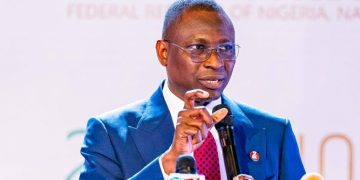
According to Prince Adeniyi Adeyemi Matthew, the summit’s Director-General said summit it is part of a larger push to accelerate Nigeria’s trajectory toward becoming a $1 trillion economy by 2030.
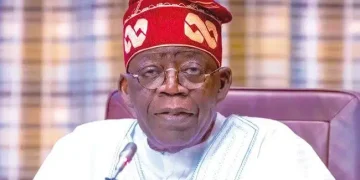
He said this ambitious goal stems from renewed global confidence driven by fiscal and structural reforms under President Bola Ahmed Tinubu’s Renewed Hope Agenda.
Key policy shifts under the Renewed Hope Agenda include the removal of fuel subsidies and the unification of exchange rates, from which organisers have projected several landmark achievements at the summit.
The summit is to herald the launch of a World Investment Platform and the establishment of a World Investment Bank headquartered in Nigeria; creation of a World Investment & Innovation Hub in Abuja; facilitation of approximately 200 PPP deals across priority sectors like energy, agriculture, digital technology, and transport; and strengthening of ties with global capital markets, including symbolic bell-ringing ceremonies at major stock exchanges in New York, London, and Shanghai.
Matthew pointed to key policy shifts, including exchange rate unification, the removal of fuel subsidies, and tighter fiscal discipline as critical steps toward improving transparency, unlocking public resources, and rebuilding investor trust.
He noted that these reforms, combined with increased infrastructure investment and regulatory adjustments, are opening up opportunities across sectors such as energy, agriculture, digital technology, and transportation.
Describing WIS 2026 as more than a conference, Matthew said the summit is designed as a strategic platform to translate policy reforms into tangible capital inflows. The event is expected to attract over 8,000 participants, including global chief executives, sovereign wealth funds, institutional investors, and government leaders, making it one of the largest investment gatherings of its kind.
Beyond deal-making, the summit aims to strengthen Nigeria’s integration into global capital markets.
Other significant 2026 economic indicators that support the ambitious summit include the IMF projected 4.1% GDP growth for Nigeria in 2026, the Central Bank of Nigeria aiming for foreign reserves to cross the $50 billion threshold in Q1 2026, as well as the Senate recent approval of a ₦68.3 trillion 2026 budget, with about half dedicated to capital projects and infrastructure.