










































WorldStage– The Universal Basic Education Commission (UBEC) has reached a major milestone in its efforts to revitalize Nigeria’s foundational learning sector, revealing that over N100 billion in previously unaccessed matching grants has been unlocked for state use.
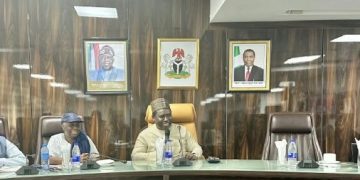
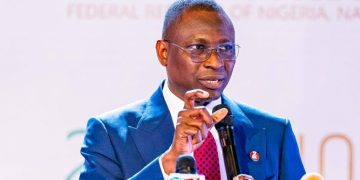
The announcement was made by UBEC Executive Secretary, Dr. Aisha Garba, during the opening of the 29th Quarterly Meeting of UBEC Management with Executive Chairmen of State Universal Basic Education Boards (SUBEBs) on Tuesday, April 21, 2026 in Abuja.
The meeting, themed “Accelerating Basic Education Performance Through Digitally Enabled Coordination,” underscores a tactical shift toward technology-driven planning and accountability.
Dr. Garba highlighted that 30 states and the Federal Capital Territory (FCT) are now actively drawing down on these basic education funds after years of them remaining idle.
“Through sustained, data-driven advocacy, we have moved beyond diagnosing systemic challenges to implementing large-scale reforms,” Dr. Garba stated.
She noted that these achievements are anchored in the commission’s 2025–2031 Strategic Blueprint, designed to strengthen education delivery nationwide.
The commission reported significant progress in learning outcomes and infrastructure, with approximately 8.7 million pupils across the country having already benefited from improved learning environments and high-quality instructional materials.
According to Garba, over 244,000 teachers have been trained in digital literacy and inclusive pedagogy to enhance classroom performance.
UBEC, she said, has finalized revised Matching Grants Guidelines, described as “streamlined, transparent, and fit for purpose” to ensure every naira spent directly impacts the Nigerian child.
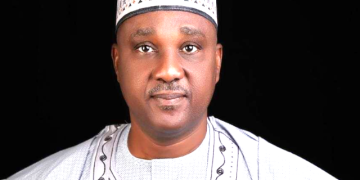
The meeting also featured contributions from key stakeholders, including the Chairman of Kwara SUBEB, Shehu Adaramaja, who urged colleagues to institutionalize digital systems for monitoring and implementation.
International partners like UNICEF reaffirmed their support, with Education Manager Jutaro Sakamoto emphasizing the need for continuous teacher retraining to meet modern educational demands.
As the 29th quarterly session continues, the focus remains on ensuring that no state is left behind in accessing federal interventions, with the goal of drastically reducing the number of out-of-school children and elevating the standard of public education across all 36 states.






