



















































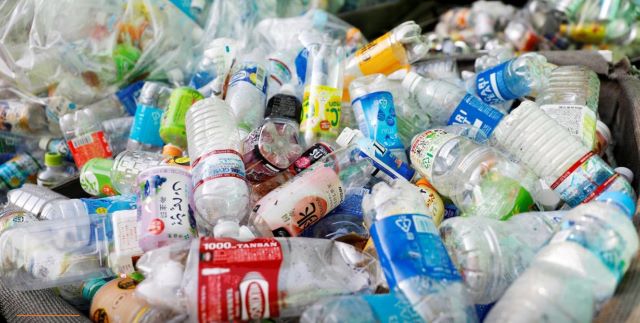
Australian scientists are developing solar-powered technologies to convert plastic waste into clean fuels, offering potential solution to both pollution and energy challenges.
The research explores how sunlight-driven processes can transform discarded plastics into hydrogen, syngas and other industrial chemicals, offering a pathway toward a more sustainable, circular economy, the Australian study revealed on Wednesday.
Global plastic production exceeds 460 million tonnes annually, with large volumes leaking into the environment, according to the research.
The research also highlights the rich carbon and hydrogen content of plastics, which it adds that it
can be repurposed as an untapped resource rather than waste.
The process, known as solar-driven photoreforming, uses light-activated photocatalysts to break down plastics at relatively low temperatures.
“These reactions can produce hydrogen, a clean fuel with zero emissions at the point of use, as well as other valuable chemicals used in industry”, the study, published in Chem Catalysis, shows.
Compared with conventional water-based hydrogen production, plastic photoreforming is more energy-efficient because plastics are easier to oxidise and potentially easier to scale, researchers said.
However, they cautioned that significant challenges remain, including the complexity of mixed plastic waste, catalyst durability and the energy-intensive purification steps.
“With continued innovation, we believe solar-powered plastic-to-fuel technologies could play a key role in building a sustainable, low-carbon future,” said Adelaide University PhD candidate Lu Xiao, who led the study.






