










































By Abiodun Folarin
WorldStage— The Federal Government of Nigeria has identified evidence based policymaking, effective resource allocation and development evaluation as critical to achieving Nigeria’s ambition of building a $1 trillion economy by 2030.
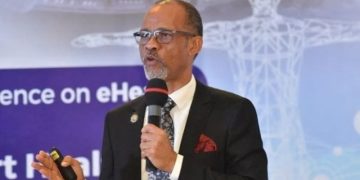
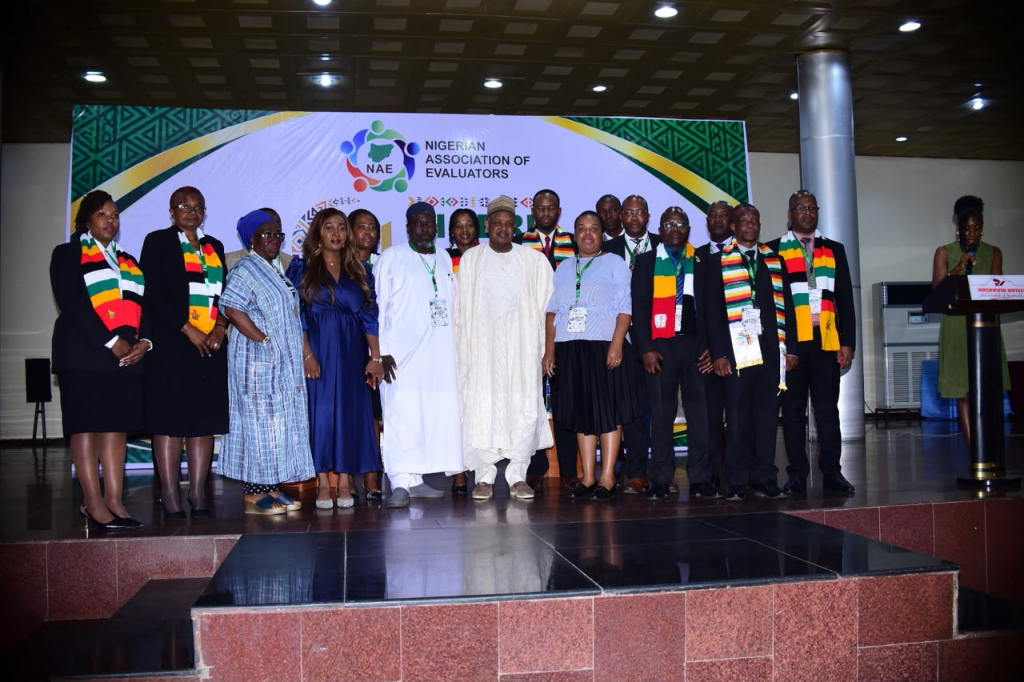
Minister of Budget and Economic Planning, Senator Abubakar Bagudu, stated this while delivering a keynote address at the 2026 National Association of Evaluators Conference in Abuja.
Bagudu said evaluation must go beyond assessing government policies and programmes to ensuring that development plans translate into measurable and sustainable improvements in the lives of Nigerians.
He stressed that achieving the $1 trillion economic target, advancing Nigeria Agenda 2050 and implementing the National Development Plan (NDP) 2026–2030 would require sustained commitment to effective implementation and strategic deployment of national resources.
According to him, the aspirations, alongside President Bola Tinubu’s Renewed Hope Agenda, demand strong institutions, strategic resource allocation, coordinated implementation and a clear understanding of development outcomes.
“For these interventions to deliver sustainable results, they must reflect local circumstances, complement existing investments and address genuine development needs,” he said.
The minister also emphasised the need to strengthen development planning at the grassroots, noting that government interventions must respond to local realities and produce tangible outcomes for communities.
He urged stakeholders to extend their attention beyond policy formulation to effective implementation, accountability and the measurement of results, describing evaluation as an essential tool for improving the quality of evidence guiding national development decisions.
Bagudu commended the National Association of Evaluators for providing a platform for constructive engagement on the role of evaluation in national development.
He expressed confidence that deliberations at the conference would strengthen Nigeria’s capacity to translate development priorities into meaningful and sustainable outcomes.
The minister called for sustained collaboration among government institutions, development stakeholders and citizens to strengthen accountability and ensure that public resources deliver measurable development impact.





