
















































WorldStage– The Minister of Education, Dr Maruf Tunji Alausa, has reaffirmed the Federal Government’s commitment to building a skilled, productive and innovative Nigerian workforce through market relevant education, expanded technical and vocational training, curriculum modernisation and stronger collaboration with industry.
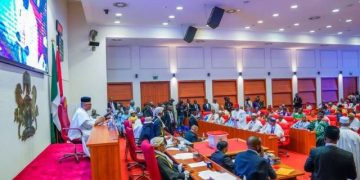
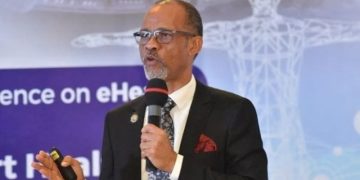
The Minister stated this during a panel session titled “Building Nigeria’s Future Workforce” at the 32nd Nigerian Economic Summit, organised by the Nigerian Economic Summit Group (NESG) in Abuja, where he outlined the education reforms designed to bridge skills gaps, improve employability and prepare young Nigerians for the changing demands of the economy.
Dr Alausa disclosed that nearly 250,000 Nigerians were either undergoing training or had been enrolled in the Federal Government’s Technical and Vocational Education and Training (TVET) initiative, which operates through more than 1,200 accredited training centres and production hubs nationwide.
He explained that the initiative was developed to restore the relevance of technical education and ensure that skills training responds directly to the needs of employers, businesses and emerging sectors.
Following a labour market and skills gap analysis, the government streamlined the previous 82 training areas to 28 market relevant trades.
The Minister said the programme prioritises practical competence, with approximately 80 per cent of training devoted to hands on learning and 20 per cent to theoretical instruction.
Eligible trainees receive a monthly stipend of ₦30,000, while participating training centres receive ₦50,000 per learner monthly to support training delivery.
He added that tuition is free at federal technical colleges, describing expanded access to vocational education as an important step towards equipping young Nigerians with the skills needed for gainful employment, self employment and enterprise development.
According to Dr Alausa, the programme attracted approximately 1.4 million applications within two weeks of the latest application portal opening, demonstrating the demand for accessible skills acquisition opportunities among young Nigerians.
The Minister also highlighted the revised national curriculum, which took effect from the 2025/2026 academic session, as a key component of efforts to align education with contemporary economic realities.
The reform reduces the number of subjects at the senior secondary level and incorporates Digital Technologies and trade subjects to strengthen digital literacy and practical skills.
He further explained that the Ministry was promoting the use of artificial intelligence to support teachers in lesson planning and assessment, while ensuring that its application does not undermine the cognitive development of children at the primary school level.






