









































WorldStage– Nigeria’s energy sector has officially moved past its narrative of attracting foreign interest, with industry leaders now focusing squarely on execution and translating capital commitments into physical production.
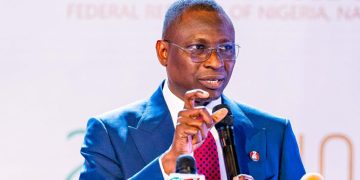
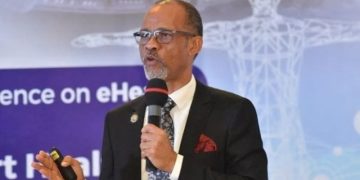
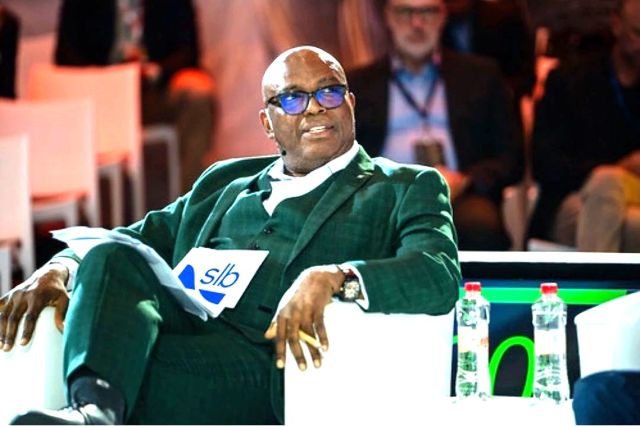
That was the core message delivered by Nosa Omorodion, Country Director (Nigeria) for SLB, who moderated the high-profile “Invest in Nigeria” session at AEW2026 in Cape Town. Bringing together a panel of C-suite executives—dubbed the “Dream Team”—the discussion tackled the defining question facing the nation’s petroleum industry: Can growing investor confidence be successfully converted into sustained, measurable production?
A Massive Jump in Upstream Capital
Highlighting a striking shift in market sentiment, Omorodion pointed to data shared during the Nigerian Upstream Petroleum Regulatory Commission (NUPRC) Commission’s 5th-anniversary event. Nigeria’s share of sanctioned upstream capital and Final Investment Decisions (FIDs) across Africa surged from a modest 4% in 2021 to 38% in 2025.
However, the panel emphasized that policy milestones and capital announcements must now be matched by boots-on-the-ground delivery. Several key projects were spotlighted as barometers of this new momentum:
ExxonMobil: A roughly USD 1 billion Usan Infill campaign targeting up to 40,000 barrels per day of incremental production within 18 months, marking the company’s first drilling activity at Usan since 2016.
TotalEnergies and AMNI: The Ima gas project, targeting 350 million standard cubic feet per day at plateau, which could potentially supply about one-third of the feed-gas required for NLNG Train 7.
Meren Energy & Levene Energies: Showcased investment-led approaches and emphasized the vital role of indigenous energy companies in building local capability to compete and create enduring value alongside international giants.
NOV: Highlighted the critical role of advanced technology in driving operational efficiency and supporting long-term production growth.
The New Imperative: Speed and Agility
While acknowledging that competitive economics, predictable regulatory frameworks, and government-industry collaboration have drastically improved investor sentiment, the panel agreed that the next frontier requires unprecedented speed.
“Nigeria does not have an investment-story problem anymore. Our test is execution,” Omorodion noted following the session. “The capital is responding, the projects are emerging. Now we must match investor confidence with speed, turn commitments into completed projects, and turn projects into barrels.”
With major operators returning to deepwater assets and indigenous players expanding their footprints, industry leaders concluded that Nigeria’s next chapter must be strictly measured in production metrics rather than promises.






