












































By Abiodun Folarin
WorldStage The Independent National Electoral Commission (INEC), has raised a fresh alarm over the growing use of generative artificial intelligence to manipulate electoral information, warning that the threat to the credibility of the 2027 General Elections is no longer distant.
The Commission said the misuse of artificial intelligence could make fabricated audio, video and images cheaper to produce and considerably harder to detect, while highly targeted messaging could be used to expose different groups of voters to conflicting narratives.
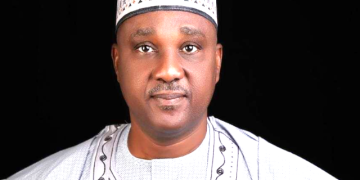
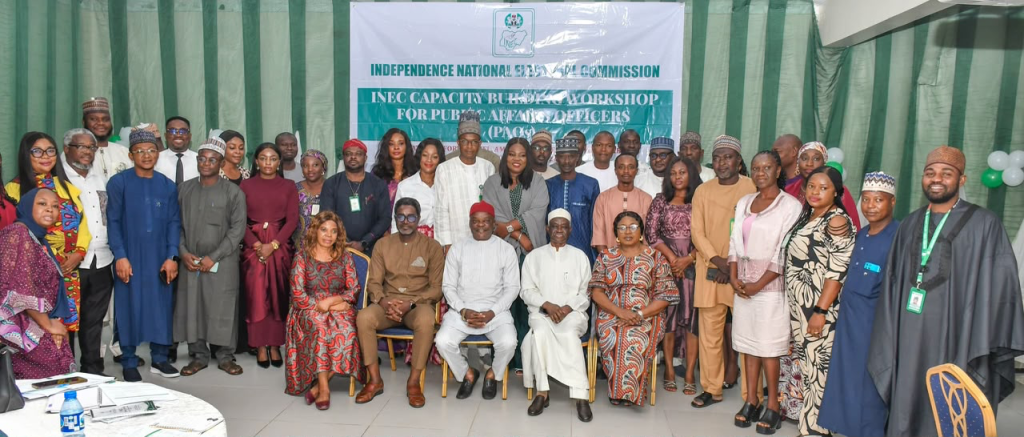
National Commissioner and Chairman of the Information and Voter Education Committee (IVEC), Malam Mohammed Kudu Haruna, raised the concern on Monday in Abuja while declaring open a capacity-building workshop for Public Affairs Officers (PAOs) drawn from across the states.
The workshop, organised by INEC’s Voter Education and Publicity (VEP) Department, is themed “Strengthening PAOs Capacity for Credible, Verified and Responsible Election Communication Towards 2027.”
Haruna said the emerging information environment had made election communication as important to electoral credibility as the technologies used in voting and results management.
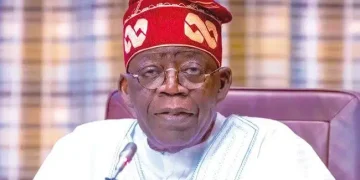
He recalled that INEC Chairman, Prof. Joash Amupitan, recently stated at the 13th Annual International Conference of the Association of Communication Scholars and Professionals of Nigeria that election credibility no longer depended solely on ballot papers, BVAS machines and result sheets, but also on the information environment in which voters formed their judgments.
According to Haruna, Amupitan had advocated treating electoral technology and electoral communication as interconnected components of the electoral process.
The National Commissioner said the development of verification, escalation and clear and consistent messaging skills among PAOs was therefore critical as the country approaches the 2027 elections.
He described PAOs as the frontline communicators of INEC in the states, stressing that public perception of the Commission’s credibility was significantly influenced by the accuracy and consistency of information released at the state level.
Haruna commended the VEP Department for designing a practical and skills-based programme focused on the communication challenges confronting electoral officers in the field.
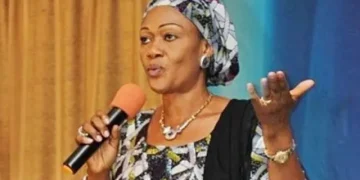
In her welcome remarks, Director of Voter Education and Publicity, Mrs Victoria Eta-Messi, said PAOs play a critical role in shaping public understanding of INEC’s activities and responses to emerging issues.
She said the Commission operates under constant public scrutiny and regularly faces attempts to misrepresent its activities and undermine public confidence.
Eta-Messi disclosed that the capacity-building programme would not end with the current workshop, noting that additional interventions were already at an advanced stage of planning with the support of development partners.
She described the training as the beginning of sustained engagement aimed at preparing PAOs for their responsibilities ahead of the 2027 General Elections.
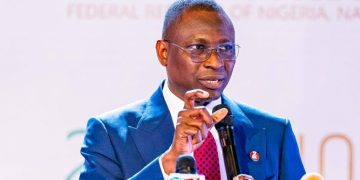
Presenting the objectives of the workshop, Deputy Director, Information and Publicity, Mr Wilfred Ifogah, said the training was designed to strengthen the practical communication skills required by PAOs in their daily assignments and during the 2027 electoral cycle.
He said the programme would clarify escalation channels among PAOs, Heads of Department, the VEP Department and Resident Electoral Commissioners (RECs), while strengthening consistency in press statements, talking points and social media communication.
According to Ifogah, another major focus is building the capacity of PAOs to monitor the information environment and respond effectively to misinformation and disinformation.
He said participants would also be introduced to the responsible use of artificial intelligence in communication work, including its practical applications, limitations and safeguards relating to confidentiality and verification.
Ifogah said the training was expected to give participants a common understanding of the standards of accuracy, consistency and professionalism required of INEC Public Affairs Officers.
The Commission’s renewed focus on AI-driven misinformation comes as political and electoral communication increasingly moves across digital platforms, where manipulated content can spread rapidly before conventional verification mechanisms can respond.
INEC said strengthening the capacity of its communication officers to detect, verify and respond to such content would form part of its broader preparations for credible and responsible communication ahead of the 2027 polls.