







































By Segun Otokiti, Abuja.
*As Speaker Tajudeen explains legislative backlog
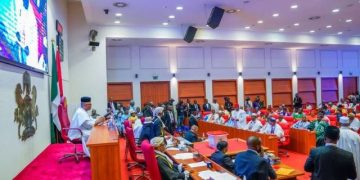
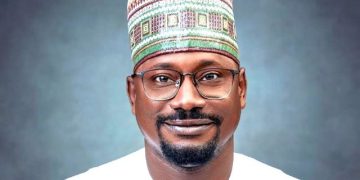
WorldStage Newsonline– The Speaker of the House of Representatives, Abbas Tajudeen has disclosed that the House introduced 2,263 bills in the first two sessions with 237 bills passed and forwarded for presidential assent as of June 30, 2025, a 10.47% passage rate.
The Special Adviser on Media and Publicity, Musa Abdullahi Krishi in a statement gave the breakdown of the bills as 55 bills signed into law, while the legislative backlog included bills awaiting Senate or presidential approval, such as the Oath Act (Repeal and Enactment) Bill, which modernises oath administration laws; the Federal Fire and Rescue Service Bill, to improve emergency response; and the Federal Audit Service (Amendment) Bill, which enhances transparency.
Others, according to him, are the Administration of Criminal Justice Act Bill, which aims to modernize criminal justice processes.
At the same time, he mentioned amendments to security and anti-corruption laws that seek to improve coordination, update mandates, and strengthen measures against financial crimes.
The statement said out of the 2,263 bills introduced in the first two sessions 1,478 have gone through Second Reading, 135 awaiting further consideration and 339 have referred to Standing Committees.
It said five bills were negatived, reflecting rigorous legislative debate.
He further disclosed that member-sponsored bills accounted for 2,204 of the total, with 26 Executive bills and 33 emanating from the Senate for concurrence.
The Speaker noted that these figures indicate a steady upward trend since 1999, “highlighting an ever-growing legislative capacity and competence.”
Speaker Abbas stated that the House’s use of motions had increased in tandem with legislative output as members sponsored 1,100 motions in two years, with over 36 per cent of them addressing matters of urgent public importance.
“These motions have triggered swift executive action on flood disasters, public health emergencies, and citizen grievances,” he stated, adding that the record number and scope of the motions illustrated the House heightened responsiveness.
By June 2025, the Speaker said committees held over 1,000 meetings and visited more than 300 sites and that they monitored over 200 ministries, departments, and agencies (MDAs) and carefully examined policies and spending to ensure they align with the expectations of the people.
Regarding constitutional reform, Speaker Abbas said the House is considering 109 amendment bills across various sectors, including electoral, judicial, legislative, and inclusive governance.
Of these, he noted, 12 electoral reform bills addressed the scheduling of all general elections on a single day, established independent candidacy, and created a dedicated commission for local government elections.
According to the Speaker, judicial reforms encompass 21 bills designed to streamline appellate processes and strengthen judicial independence.
He said: “A central feature of our inclusive governance proposals is the introduction of constitutionally guaranteed reserved seats for women and persons with disabilities. Under the draft amendment, ten per cent (10%) of seats in both the Senate and the House of Representatives would be set aside for women, apportioned by the state to ensure regional balance.
“These seats would be filled through direct elections on separate ballots, with staggered terms to promote continuity and mentorship. Five per cent (5%) of seats would be reserved for persons with disabilities, with candidates nominated by accredited disability advocacy organisations.
Reserved-seat representatives would enjoy the same rights, privileges, and committee assignments as their peers, reinforcing their full integration into legislative work.”
The Speaker added: “By embedding reserved seats into our Constitution, we will break the cycle of stagnation. This mechanism will accelerate progress towards gender parity, enrich our legislative debates with diverse perspectives, and ensure that the National Assembly truly reflects the people it serves. The 10th House will pursue vigorous collaboration with the State Houses of Assembly and all stakeholders to ensure that the bill on the reserved seat is passed and becomes part of our constitution.”
He stated that executive-legislative cooperation remained essential, while thanking President Bola Ahmed Tinubu for his “steadfast support of the legislature, for consulting the National Assembly on key policy matters, and for respecting our input throughout the legislative process.”



