









































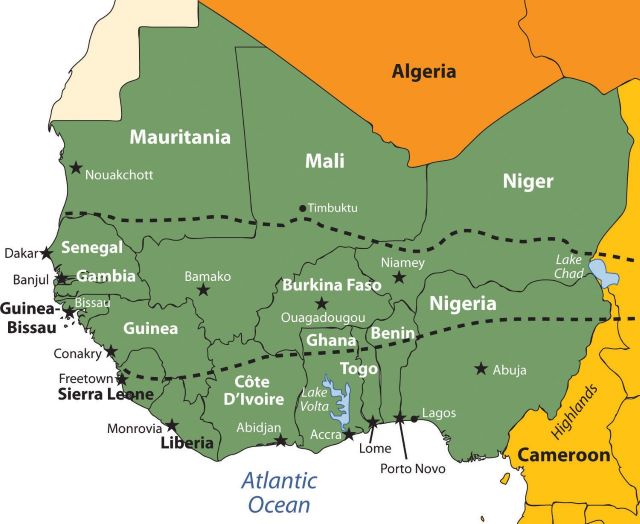
The West African Health Organization (WAHO) and the World Health Organization (WHO) Regional Office for Africa have signed a strategic Memorandum of Understanding (MoU) to deepen regional health cooperation across West Africa.
The agreement, signed on Wednesday on the margins of the 79th World Health Assembly in Geneva and shared via WAHO’s X account, aimed to strengthen health systems and advance regional health security.
It was signed by Dr Melchior Aïssi, Director General of WAHO, and Dr Mohamed Janabi, WHO Regional Director for Africa (AFRO), establishing a renewed framework for strategic cooperation in shared health priorities.
According to the statement, the MoU reinforces long-standing collaboration between both institutions in support of ECOWAS member states and regional health development goals.
Key priorities included strengthening primary health care systems, improving disease surveillance and epidemic preparedness, and supporting maternal and child health services across the region.
The partnership also focused on promoting local pharmaceutical production, enhancing laboratory systems, developing the health workforce and advancing regional health harmonisation initiatives.
Additional areas of collaboration included antimicrobial resistance surveillance, digital health innovation, and implementation of the International Classification of Diseases across member states.
“It also covers emergency preparedness and response, alongside support for centres of excellence and regional public health programmes aimed at improving resilience.
“The MoU provides for joint action plans, technical cooperation, capacity-building programmes, policy coordination, research collaboration and regular consultation mechanisms to ensure effective implementation.
“It will remain in force for an initial period of five years, consolidating cooperation between WAHO and WHO AFRO in strengthening regional integration and resilient health systems.
“The agreement reflects a shared commitment to collective action and accelerating progress toward universal health coverage, health security and improved health outcomes across the ECOWAS region.”