





















































UN Education and Cultural Agency (UNESCO) has called for stronger protection of education as attacks on schools rose by 33 per cent in 2025.
According to the UN agency, the latest global data reveal an alarming escalation in attacks on schools.
In 2025, 1,680 attacks on schools were verified by the United Nations – an increase of 33 per cent compared to 1,265 attacks in 2024.
UNESCO made the call in a message to mark the 2026 International Day to Protect Education from Attack.
The Day, globally celebrated on Sept. 9, is dedicated to raising awareness of the devastating impact of attacks on students, teachers, schools and universities, and to reaffirming the right of every child to learn in safety and dignity
“On this International Day to Protect Education from Attack, UNESCO expresses its grave concern over the continued rise in attacks on schools around the world.
“In 2025, 1,680 attacks were recorded worldwide – a 33 per cent increase compared to the previous year.
“More broadly, an estimated 258 million children and adolescents have had their education disrupted by crises worldwide, including 93 million who are entirely out of school,’’ it stated.
UNESCO, however, stressed the obligation for all parties to conflict to respect international law and spare education from attack.
“The agency noted that nearly eight in 10 of all out-of-school and crisis-affected children – some 74 million – live in just 20 countries.
Within these settings, the barriers to learning are steepest for the most vulnerable: 74 per cent of refugee children, 52 per cent of internally displaced children, and 45 per cent of children with disabilities are out of school,’’ it stated.
The latest UN data on children caught up in conflict indicate that 24,174 children were impacted in 2025, out of 38,558 verified violations.
Killing and maiming were among the most widespread violations, affecting 14,224 children.
Youngsters were also recruited and used in conflict, abducted and denied humanitarian assistance, according to the UN Secretary-General’s Annual Report on Children and Armed Conflict.
The report highlights how fighting increasingly took place in densely populated areas, exposing children to airstrikes, artillery and explosive drones.
Homes, schools, hospitals and other civilian infrastructure were damaged or destroyed, while children faced danger fleeing violence or seeking food, water and medical care.
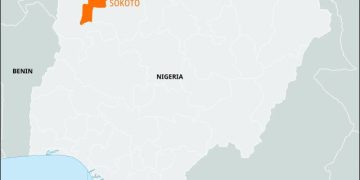
The highest number of grave violations was verified in Israel and the Occupied Palestinian Territory, followed by the Democratic Republic of the Congo, Nigeria, Myanmar and Somalia.
For the first, Government forces were responsible for the majority of verified grave violations.
The UN, along with its many partners, believes firmly that education protects children in crisis from harm, while giving them the skills to rebuild their communities in the future.
Education Cannot Wait’s Hope Starts Here campaign seeks $600 million to ensure that 10 million children “in the world’s toughest places” can access safe, quality education.
According to Education Cannot Wait, the global fund, insecurity and other factors mean that 258 million children across 87 countries
face severe learning disruption.
Marking the Day, the fund cited a backdrop of “increasing conflict, decreasing restraint and eroding global norms” in several regions.
“When a child is denied schooling for years, the consequences are immediate and profound.
“It means forgotten literacy, lost routines, and a future dictated by recruiters or traffickers, rather than teachers,” Maysa Jalbout, Director of Education Cannot Wait, the global fund for education in crises, said.
According to a report partnered by the fund, attacks on education and the use of schools for armed conflict reached a record high in 2024 and 2025.
The number of students and staff killed, injured, abducted, or otherwise harmed has never been higher, either.
In the 28 countries profiled, education was targeted in attacks, or schools and universities were used for military purposes.
In all, there were at least 9,259 attacks on education (including more than 3,600 on schools), representing a more than 50 per cent increase compared to 2022-2023.
In addition, more than 10,600 students and educators were killed, injured, or abducted, while the military use of schools nearly doubled.
“Education in emergencies is about more than keeping children in school.“It is about protecting them at their most vulnerable: offering safety, stability, a sense of normalcy, and a path toward a future beyond crisis,” Education Cannot Wait chief, Ms. Jalbout, said.