















































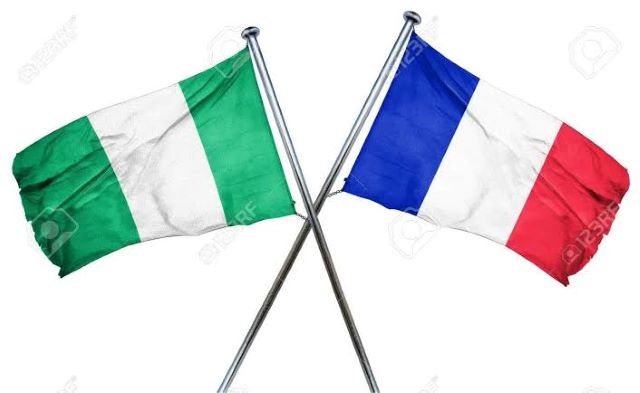
Nigeria is partnering with France to deepen cultural exchange and create a musical synergy aimed at redefining global sound.
Stakeholders noted that music cuts across language barriers and serves as a universal form of expression understood by people of diverse cultures.
They spoke on Wednesday on the sidelines of the Echoes of West Africa Tour 2026, a collaboration between France-based Collectif KOA and the Abuja International Afro Jazz Festival.
The initiative represents a fusion of heritage, innovation and shared artistic vision.
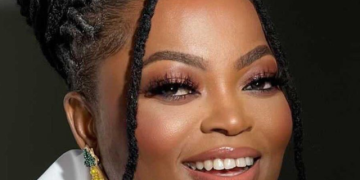
Prominent songwriter and performer, Jessica Bongos, said the collaboration came at a time when both countries’ music scenes were evolving and embracing fusion, improvisation and cultural exchange.
“The French and Nigerian sounds complement each other naturally, so the collaboration didn’t feel forced; it felt like a shared musical language coming together at the right time,” she said.
Bongos noted that Nigerian traditional music plays a central role in the collaboration due to its strong rhythmic and cultural identity.
“With complex polyrhythms, call-and-response patterns and rich storytelling, it creates a meeting point where everyone can bring their own language while still locking into a shared groove,” she said.
She described the creative process as a “beautiful exchange,” explaining that she wrote lyrics over compositions by the French band, blending her influences with their sound.
While acknowledging initial differences in musical structures, she said the experience was enriching and expanded her artistic range.
“My artistry is shaped by legends who mastered honest expression, including Nina Simone, Etta James, Jill Scott, Lauryn Hill and Sade Adu,” she added.
Also speaking, festival director of Collectif KOA, Christine Paulette-Dumons, described the project as a cross-cultural exchange combining African sounds with European jazz, rock and Asian traditional influences.
She expressed optimism that the collaboration would expand through concerts and future tours.
French bassist and composer, Alfred Vilayleck, said international collaboration was vital for musical growth, noting that cultures evolve when artists interact and share ideas.
He praised Nigeria’s music scene for its diversity and adaptability.
African jazz artiste and founder of the Abuja International Afro Jazz Festival, Tosin Salako, described music as a tool for national transformation, unity and economic growth.
He said music connects people across ethnic and linguistic divides and has the capacity to address social issues and inspire change.
“Music is a tool for global and societal change. From the North to the South, it connects people regardless of language,” he said.
Salako stressed the importance of the creative sector to Nigeria’s economy, noting the steady growth of genres such as jazz, indie and pop alongside Afrobeat.
He said the tour was conceived as an artistic exchange between Nigeria and France, blending African jazz with South Asian influences.
He called for increased government support through investment and the provision of more live performance venues.
“We need more venues for live music to grow the culture. Artists currently bear the burden of production, promotion and distribution,” he said.
Salako added that the initiative also provides a platform for emerging artists to gain experience and build careers.
“With its themes of unity, cultural pride and artistic innovation, the tour is fast becoming a landmark on Africa’s entertainment calendar,” he said.
The event, headlined by PMAI and Salako, also featured performances by Emita Testimony, Jessica Bongos and Odenose, attracting global attention as one of the notable music showcases of the year.