
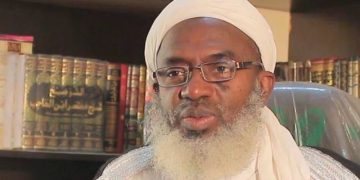



































WorldStage— Prominent Islamic cleric Sheikh Ahmad Gumi has defended President Bola Tinubu’s economic reforms, acknowledging that key macroeconomic indicators suggest the nation’s economy is recovering.
Speaking in an interview with PAPShow media platform, the cleric stated that the administration’s policy direction aligns with standard economic recommendations and that the removal of fuel and electricity subsidies was an inevitable step toward sustainable growth.
Gumi pointed out that several major fiscal indicators reflect positive momentum under the current administration.
He noted that international financial bodies, including the International Monetary Fund (IMF), have welcomed the government’s aggressive approach to repairing Nigeria’s structural deficiencies.
Gumi however warned against restoring subsidies by some political office seekers, arguing that it would only open the door to widespread corruption and fiscal collapse.
Instead, he advised President Tinubu to maintain policy consistency while executing human-centered interventions that ensure no Nigerian is left behind during this transitional period
According to Gumi, the tangible indicators of recovery include increased Gross Domestic Product (GDP), which so far has shown that national output has expanded, demonstrating enhanced productivity across non-oil sectors.
Another indicator, according to him, is higher government revenue, which he claimed has surged significantly following aggressive fiscal interventions.
He also mentioned another indicator as boosted statutory allocations, noting that financial distributions to state and local governments have increased and given sub-national leadership more capacity to drive development.
Despite his endorsement of these high-level policies, Gumi expressed deep concern over the immediate welfare of ordinary Nigerians.
He warned that while macroeconomic indices look promising on paper, the severe inflationary pressure and the rising cost of living continue to inflict immense hardship on poor households.
He emphasized that the positive outcomes of these reforms have yet to effectively trickle down to the grassroots.
To bridge this gap, Gumi strongly urged the Federal Government of Nigeria to significantly expand and reinforce its social safety nets.
He argued that a true economic recovery cannot be judged solely by financial charts, but by how effectively the state cushions the vulnerable from transition pains.
The cleric called for a multi-pronged approach to social protection, demanding immediate state action to strengthen social protection programmes by expanding cash transfers and welfare shields for low-income families; invest heavily in education by ensuring accessible, subsidized schooling to prevent a decline in human capital development; subsidize essential public services by lowering the burden of healthcare and public transportation costs for rural and urban poor; eradicate systemic corruption by preventing the diversion of newly generated public funds into private pockets.






