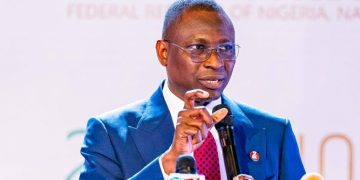


















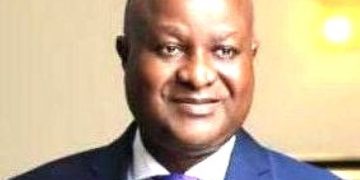









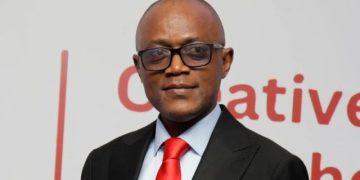


WorldStage– At time when Nigeria’s economic reform momentum faces its first major external test, the Federal Government heads into the 2026 IMF/World Bank Spring Meetings with Finance Minister, Wale Edun pushing for investor confidence and international support to sustain growth and shield households from rising inflation.
The 2026 Spring Meetings of the International Monetary Fund and World Bank comes at a critical intersection of domestic reform and global instability, as geopolitical tensions disrupt energy markets and tighten financial conditions.
Transmission Channels to Nigeria
The ongoing crisis has triggered significant volatility in global crude oil prices, which have risen between 35% and over 50% since the start of the conflict, largely due to disruptions in the Strait of Hormuz. Nigeria’s Bonny Light crude has climbed from about $70–$73 per barrel to highs exceeding $110–$120.
While higher oil prices present potential gains in foreign earnings and fiscal revenues for Nigeria as an oil producer, the shock also poses risks at a time when the country is working to strengthen macroeconomic stability and resilience.
Edun identified three key channels through which the crisis is impacting the Nigerian economy:
Fuel, Diesel, and Gas Prices
Volatility in global energy markets is already affecting domestic energy prices, with direct implications for inflation and the cost of living. With petrol prices rising by over 50%, from about ₦890–₦900 to between ₦1,260 and ₦1,330. Also, diesel prices have surged by more than 70%, from around ₦1,100 per litre to approximately ₦1,550 at peak levels.
Capital Flows and Financial Markets
Heightened geopolitical risks are prompting investors to shift toward safe-haven assets, potentially reducing capital flows into emerging markets like Nigeria. This trend could exert pressure on exchange rate stability and increase borrowing costs.
Global Logistics and Supply Costs
Disruptions to key shipping and energy routes are driving up international freight and logistics costs. These increases are likely to translate into higher import costs and further inflationary pressures domestically.
Officials say the development highlights the dual impact of global shocks on Nigeria—fiscal gains on one hand and cost-of-living pressures on the other.
Beyond energy markets, heightened geopolitical risk is also reshaping global capital flows, with investors shifting toward safe-haven assets. This trend poses downside risks to portfolio inflows, exchange rate stability, and borrowing costs in emerging markets, including Nigeria.
Against this backdrop, Edun is leading Nigeria’s delegation with a strong reform narrative, emphasising that recent policy measures have positioned the economy to better withstand external shocks compared to previous crises such as the COVID-19 pandemic and the Russia -Ukraine War.
The government’s response includes efforts to ramp up crude oil production to about 1.86 million barrels per day, sustain the Naira-for-crude framework to stabilise domestic fuel supply, and maintain a liberalised foreign exchange regime to support investor confidence.
Nigeria is also leveraging its participation at the meetings to advocate broader global reforms, including lower cost of capital for developing economies, fairer financial conditions, and increased institutional support for countries implementing economic reforms under difficult global conditions.
As Chair of the G24, Edun is expected to play a central role in shaping discussions around development finance and economic resilience for emerging markets.
The meetings also provide a platform for high-level engagements with multilateral institutions, global investors, ratings agencies, and development finance partners, as Nigeria seeks to reposition itself as a reform-driven and investment-ready economy.
Analysts note that while Nigeria’s reform programme anchored on fuel subsidy removal, exchange rate liberalisation, and fiscal adjustments has improved macroeconomic fundamentals, the current global shock represents a critical test of its durability.
The next phase of the government’s strategy will focus on scaling private investment, unlocking domestic capital markets, and driving job-rich growth, while balancing macroeconomic stability with social protection.