







































WorldStage– The Universal Basic Education Commission (UBEC) is accelerating basic education reforms in Kano State through the delivery of nearly 4,000 classrooms and strategic collaboration that is strengthening the teaching workforce, expanding access to quality education and advancing Nigeria’s President Bola Ahmed Tinubu’s Renewed Hope Agenda.
Executive Secretary of UBEC, Aisha Garba, stated this during a series of education engagements in Kano State, where she joined the Minister of Education, Dr. Maruf Tunji Alausa, the Minister of State for Education, Professor Suwaiba Sa’id Ahmad, and the Executive Governor of Kano State, Alhaji Abba Kabir Yusuf, to inspect UBEC-supported projects and witness the presentation of appointment letters to newly recruited teachers.
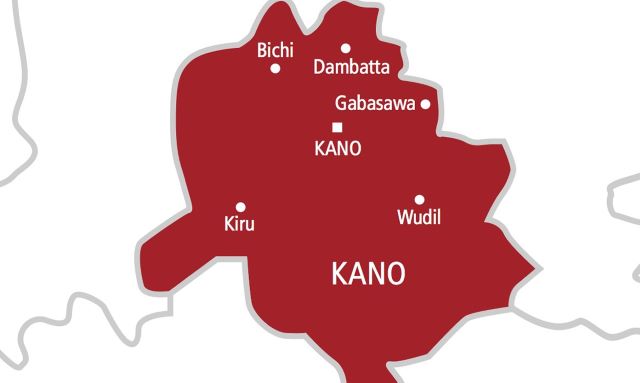
Garba explained that the day’s activities commenced with the inspection of classrooms constructed through UBEC interventions under the Renewed Hope Agenda. She disclosed that nearly 4,000 classrooms have been delivered across Kano State to provide safer, more conducive learning environments for pupils and create greater opportunities for children to enrol, remain in school and succeed.
According to her, expanding access to quality education goes beyond constructing classrooms. She stressed that while improved infrastructure provides children with better places to learn, qualified and motivated teachers remain the foundation of meaningful learning outcomes.
She described the teacher recruitment exercise by the Kano State Government as one of the most significant investments in education in the country, noting that the state has continued to demonstrate remarkable commitment to improving basic education through sustained recruitment of teachers.
Garba observed that more than 16,000 teachers have been recruited by the present administration in Kano State, including the latest batch of newly employed teachers, a development she said is helping to bridge the teacher gap, particularly in underserved communities, while ensuring that more children have access to quality teaching.
She noted that Nigeria, like many countries around the world, continues to face a shortage of teachers, especially in rural communities, making sustained investment in the teaching workforce critical to achieving improved learning outcomes.
“The directive of President Bola Ahmed Tinubu is clear. No child should be left behind. Every Nigerian child deserves access to quality education. Even where classrooms exist, without teachers, children cannot learn. That is why investments in teachers are investments in the future of our nation,” Garba said.
Addressing the gathering, the Executive Secretary described every appointment letter presented to the newly recruited teachers as a symbol of renewed hope for classrooms, communities and, most importantly, the thousands of children whose future depends on quality teaching.
She further noted that the recruitment comes at a time when UNESCO estimates that more than 44 million teachers are needed globally to bridge the existing teacher shortage, adding that Kano State’s sustained investment in teachers places it among governments providing practical solutions to one of education’s greatest global challenges.
Garba commended Governor Abba Kabir Yusuf for prioritising education and reaffirmed that strong collaboration between the Federal Government, UBEC and state governments remains essential to achieving inclusive, equitable and quality basic education for every Nigerian child.
She also applauded the leadership of the Minister of Education, Dr. Maruf Tunji Alausa, and the Minister of State for Education, Professor Suwaiba Sa’id Ahmad, for driving reforms that are transforming Nigeria’s education sector.
Drawing from more than two decades of experience in education, she said the pace of ongoing reforms reflects an unprecedented national commitment to improving learning outcomes across the country.
Earlier, the Chairman of the Kano State Universal Basic Education Board (SUBEB), Malam Yusuf Kabir, said the recruitment exercise followed a transparent and merit-based process to ensure that only qualified, competent and committed teachers were employed into the state’s basic and secondary schools.
He explained that the exercise was strengthened by the Kano State Teacher Policy, which introduced aptitude tests and other assessment procedures for prospective teachers, describing the policy as a major milestone in improving teacher quality and raising standards across the education sector.
Kabir stressed that recruitment alone would not deliver the desired impact unless the teachers are effectively deployed, supervised, mentored and continuously evaluated.
He assured that education authorities across the state would ensure that the newly recruited teachers are posted to schools where they are most needed while maintaining robust monitoring systems to improve teaching quality and learning outcomes.
He also called on communities, development partners, corporate organisations, traditional institutions and other stakeholders to complement government’s investments in education, emphasising that sustainable improvements in basic education require shared responsibility and community ownership.
The Chairman further commended Governor Abba Kabir Yusuf for his sustained investment in education through teacher recruitment, school rehabilitation and other strategic interventions aimed at rebuilding the state’s education sector.
UBEC reaffirmed its commitment to sustaining partnerships with state governments across the federation to expand access to quality basic education through strategic investments in school infrastructure, teacher development and learner-centred interventions.