






































WorldStage Newsonline– The Nigeria Sovereign Investment Authority (NSIA) has grown Nigeria’s sovereign wealth fund by 56% from an initial $1.82 billion in 2011 to a net asset value of $2.84 billion as of December 2024, demonstrating strong financial stewardship and investment strategy over the past decade.
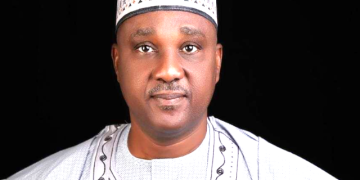
NSIA Managing Director, Aminu Umar-Sadiq, disclosed during a media engagement in Abuja, where he presented the Authority’s 2024 financial earnings stated that the Authority had strategically allocated its assets to safeguard against economic shocks and deliver sustainable returns.
According to NSIA documents, total assets increased by 96% from ₦2.26 trillion in December 2023 to ₦4.42 trillion in December 2024. The growth was driven by higher returns from associates and joint ventures, net gains from collateralized securities, and foreign exchange gains due to naira depreciation.
“For over a decade, NSIA has successfully executed more than 150 investments across Africa, reinforcing its commitment to regional economic development,” Umar-Sadiq said.
He explained that the NSIA operates three ring-fenced funds: A 20% Stabilisation Fund to support the economy in times of distress, 30% Future Generations Fund, designed for long-term investments, and 50% Nigeria Infrastructure Fund, focused on domestic infrastructure projects.
The Key highlights of NSIA’s 2024 performance include: “Over $500 million committed to domestic Infrastructure, more that $1 billion catalyzed from third-party investors
“Robust infrastructure portfolio in agriculture, healthcare, and power, Investments in over 50% of locally owned private equity funds, Operating Income: ₦1.85 trillion, Profit After Tax: ₦1.89 trillion
“Total Comprehensive Income: ₦1.89 trillion, Return on Average Assets: 12.2% and Return on Average Equity: 12.4%.”
NSIA also announced its phased exit from the fertilizer blending sector, following significant progress since 2017.
From just four operational blending plants at the outset, the number has grown to over 90.
“With the recent removal of the FX ban on imports by the CBN Governor, the sector is now liberalized with vibrant private participation. NSIA’s continued involvement is no longer necessary,” Umar-Sadiq said.
He explained that NSIA’s intervention was always intended as a temporary measure to revitalize the sector. The authority started by fully managing supply chains and operations for blending plants but gradually reduced its involvement as plants became self-sufficient.
“In the next two to three years, we expect a full transition. Our focus was to enable the sector to stand independently—not to remain a permanent player,” he added.
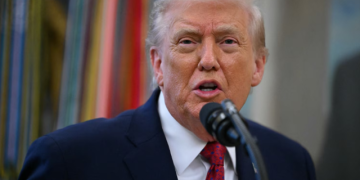
Responding to the potential impact of U.S. President Donald Trump’s policies on NSIA’s portfolio, Umar-Sadiq emphasized the Authority’s defensive asset allocation strategy.
“Our Stabilisation and Future Generations Funds are designed to protect on the downside. While we may not always maximize gains during market booms, we ensure stability during downturns, which aligns with the savings mandate of our sovereign wealth fund,” he said.
Established by an Act of the National Assembly and signed into law on May 26, 2011, NSIA’s ownership is shared among the Federal Government (46.5%), State Governments (34.8%), Local Governments (18.2%), and the Federal Capital Territory (0.5%).
In 2024, the NSIA scored 90% in the Global Sovereign Wealth Funds (SWF) Governance, Sustainability, and Resilience ranking, placing it second globally—alongside Australia, Spain, and Germany.