












































WorldStage— The Director-General, Bureau of Public Procurement (BPP), Dr Adebowale Adedokun, has called for stronger collaboration between the Legislature and the Executive to curb project abandonment and improve accountability.
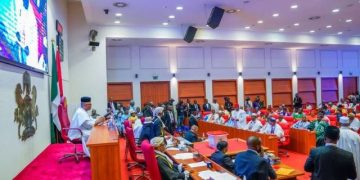
A statement issued by Zira Nagga, BPP’s Head of Media and Public Relations in Abuja on Thursday, said Adedokun made the call at the 2026 National Assembly Open Week.
The event, was with the theme, “Three Years of the 10th National Assembly: Advancing Transparency, Inclusion and Reform.
It brought together lawmakers, heads of Ministries, Departments and Agencies (MDAs), civil society organisations and development partners.
Adedokun said the collaboration would also ensure value for money in public procurement and guarantee that Nigerians derive maximum benefits from public expenditure.
speaking during a panel discussion on “Strengthening Legislative Oversight of Public Procurement for Value for Money”, he described procurement as a strategic instrument for achieving national development objectives when properly deployed.
“If we effectively use the existing legislation that you have passed, we will be able to achieve measurable results in how we deliver projects,” he said.
He identified inadequate capacity, weak audit synergy, poor project planning and misaligned budgeting as major challenges undermining successful implementation of public projects.
Adedokun said frequent changes in the composition of the national assembly made continuous capacity building necessary to ensure that lawmakers have a clear understanding of procurement processes and their oversight responsibilities.
He called for stronger synergy between relevant committees of the national assembly and the BPP, noting that procurement audit reports submitted by the bureau could strengthen legislative oversight of contract awards, implementation and beneficiaries.
The director-general also expressed concern over discrepancies in the 2026 budget, saying some projects classified as ongoing were not actually in progress, while others were assigned to MDAs without the technical competence to execute them.
“You will find a road construction project captured under a ministry that has no technical competence to build a road. Already, you are doomed to fail,” he said.
He urged the national assembly to refocus attention beyond the federal level.
“How do you explain that 52 per cent of all government allocation goes to local governments and states? We are too focused on the federal, while the bulk of money today lies in the states and local governments.
“Why are we building a borehole at the federal level? Why are we constructing streetlights?”
Adedokun also criticised the appropriation of funds for unplanned projects, stressing that the Public Procurement Act 2007 criminalised the award of contracts without proper planning and approved procurement plans.
He said the BPP lacked the capacity to monitor every project nationwide, urging civil society organisations to utilise legal provisions permitting them to monitor bid openings and demand accountability in project implementation.
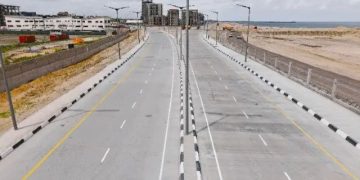
He called for a review of the current funding approach for projects, saying the existing system was contributing to delays in project execution.
“Should we continue to fund projects expected to last between 10 and 15 years at the current rate? You see a project that should be completed in three years receiving funding for only one year.
“You also see another that should be completed in one year, receiving no funding. We are putting ourselves in a very difficult situation,” he said.
He called for stronger collaboration between the executive and legislature during the process of appropriation to prevent procurement breaches, noting that the law often catches up with public officials after they leave office.
He said that MDAs previously presented performance reports before defending fresh budget proposals, describing the practice as an effective mechanism for improving transparency and accountability in public expenditure.
Adedokun said that the BPP was undertaking 23 major reforms aimed at repositioning public procurement, and expressed confidence that parliamentary support would help reduce abandoned projects and restore public confidence.
Responding to questions, he said the bureau had directed all MDAs to incorporate provisions for persons with disabilities in standard bidding documents in line with existing legislation.
He said that the bureau had also introduced sustainability requirements into procurement processes to ensure that contracts contribute to job creation, enterprise development and broader national economic growth.
The BPP boss reaffirmed the bureau’s commitment to open governance, saying closer collaboration among stakeholders would strengthen procurement reforms, improve project delivery and enhance public trust in government institutions.
The bureau participated in the open week to showcase reforms in e-Procurement, sustainable procurement, price intelligence and contractor registration.
Their participation was also aimed at sensitising lawmakers on compliance, obtaining stakeholder feedback on procurement bottlenecks and strengthening legislative support for the amendment of the Public Procurement Act 2007.