






















































By Abiodun Folarin
WorldStage– Amid potential global shocks from escalating tensions in the Middle East involving the United States, Israel and Iran, the Federal Government of Nigeria has said that it is closely monitoring developments as the crisis threatens to trigger volatility in global energy markets, capital flows and shipping routes, while reaffirming its commitment to safeguard Nigeria’s economic stability.
Given Nigeria’s integration with global commodity and financial markets, the government said it has identified three immediate transmission channels through which the crisis could affect the Nigerian economy: crude oil and gas prices; capital flows and financial markets; and global logistics and supply costs.
The Economic Management Team (EMT), chaired by the Minister of Finance and Coordinating Minister of the Economy, Wale Edun, convened a meeting to assess the potential impact on Nigeria’s economy.
The minister also chaired a Naira-for-Crude policy coordination meeting to review energy market developments and their domestic implications.
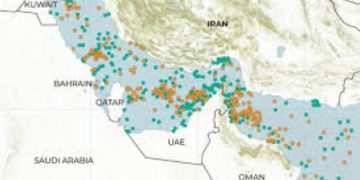
According to a statement by the Assistant Director of Information and Public Relations at the Federal Ministry of Finance, Uloma Amadi, the situation remains fluid, with global market uncertainty driven by concerns over disruptions to critical energy supply routes, particularly the Strait of Hormuz, already contributing to volatility in crude oil prices and financial markets.
“Given Nigeria’s integration with global commodity and financial markets, the government has identified three immediate transmission channels through which the crisis could affect the Nigerian economy:
- Crude Oil and Gas Prices:
Volatility in global energy markets is already driving increases in domestic prices, including fuel, diesel, cooking gas and fertiliser.
- Capital Flows and Financial Markets:
Heightened geopolitical risks may prompt a shift to safe-haven assets, affecting capital flows into emerging markets, including Nigeria, as well as broader financial market conditions.
- Global Logistics and Supply Costs:
Disruptions to major shipping and energy supply routes could raise international freight and logistics costs, putting upward pressure on domestic prices.”
The minister noted that beyond these immediate effects, sustained instability could drive increases in the cost of goods and services, placing further upward pressure on inflation and the cost of living.
At the EMT meeting, ministers provided sector-specific updates on the evolving situation. Discussions recognised that the ultimate scale of impact on Nigeria will depend on the duration and intensity of the conflict, particularly its effect on global oil supply and prices.
The Economic Management Team is closely monitoring developments across key macroeconomic indicators, including:
- Global crude oil price movements and supply conditions
- Exchange rate developments and potential pass-through to domestic prices
- Capital flows and financial market conditions
- The implications for Nigeria’s fiscal outlook and external reserves
The Federal Government emphasised that Nigeria enters this period of global uncertainty from a position of strengthening economic fundamentals.
Recent data show real GDP growth of 4.07 percent in Q4 2025, one of the strongest quarterly performances in over a decade, reflecting the positive impact of ongoing economic reforms and improved macroeconomic coordination.
The government remains fully committed to protecting these gains.
Accordingly, the Economic Management Team is maintaining close coordination across fiscal, monetary and energy policy institutions. Policy options remain under continuous review to mitigate volatility and shield households and businesses from external shocks.
The Minister of Finance and Coordinating Minister of the Economy emphasised that careful policy calibration will remain central to the government’s response, ensuring that recent progress in macroeconomic stabilisation, revenue mobilisation and economic growth is not undermined by external developments.
He further noted that the Federal Government will continue to monitor the situation closely and adjust policy measures where necessary to minimise disruptions, sustain investor confidence and protect the welfare of Nigerians.
The Federal Government assured the public that it remains vigilant and proactive, and will take all necessary steps to preserve Nigeria’s economic stability and sustain its growth trajectory.





