






























*Gavi’s investment in Nigeria has saved millions of lives – Pate
WorldStage Newsonline– The Nigerian government has secured a $191 million grant from Gavi, the Vaccine Alliance, to strengthen its health system, reach 1.8 million zero-dose children, and increase immunization coverage to 84% by 2028.
The grant, launched on Friday in Abuja, is one of the largest ever provided by Gavi’s Health System Strengthening support (HSS3) to Nigeria.
In addition, Gavi is investing another $100 million in a nationwide vaccination campaign to protect 100 million children against measles and rubella—marking the largest such campaign ever conducted in the country.
Speaking at the launch, Gavi’s Director of Health Systems and Immunization Strengthening, Mr. Alex de Jonquières, said Gavi’s mission is to ensure every child benefits from the life-saving power of vaccines. He noted that since 2000, over 1.1 billion children have been immunized with Gavi’s support.
“This is an investment in both health and prosperity—averting 18.8 million future deaths and generating $220 billion in economic benefits,” he said.
“Nigeria is a crucial part of this story: 62 million children have been vaccinated and 2 million deaths averted through $2.4 billion in support to procure vaccines and strengthen the systems that deliver them.
“This has enabled the introduction of nine vaccines in Nigeria, including—most recently—HPV vaccines, which have already protected 13.5 million Nigerian girls against cervical cancer, and the malaria vaccine.”
Recognizing Nigeria’s importance, the Gavi board approved a special 10-year strategy for the country in 2018. Since then, $1.1 billion worth of vaccines have been procured—one-third funded by the Government of Nigeria and two-thirds by Gavi.
Gavi has also provided $260 million to strengthen Nigeria’s health system and support vaccination campaigns.
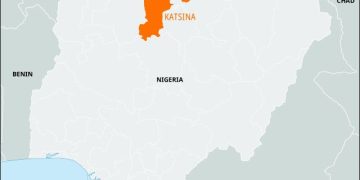
So far, this two-pronged strategy has enabled Nigeria to reach 1.7 million zero-dose children—those who otherwise would not have received a single vaccine; Vaccinate 91 million children under five through campaigns; procure and install 11,405 units of cold chain equipment (CCE) across PHCs, LGAs, and state cold stores and Directly support eight states-Bayelsa, Gombe, Jigawa, Niger, Katsina, Kebbi, Taraba, and Zamfara.
“While these results are impressive, we still have a long way to go,” de Jonquières said.
“Nigeria is home to the largest number of zero-dose children—those who have not received even a single routine vaccine—in the world. Low immunization coverage results in repeated outbreaks of vaccine-preventable diseases and avoidable deaths.”
The new grant was designed by the Nigerian government through an inclusive planning process involving the Federal Ministry of Health (FMOH), the National Primary Health Care Development Agency (NPHCDA), and other federal and state-level agencies. Development partners including WHO, UNICEF, civil society, the private sector, and others also contributed.
Nearly 80% of the grant funding will go toward work at the sub-national level, with over 10% allocated to civil society organizations working in communities. The National Traditional Leaders’ Committee will also play a key role in amplifying these efforts.
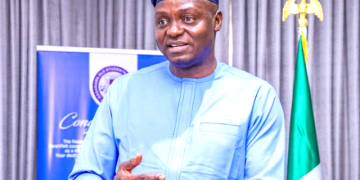
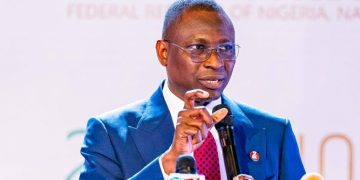
In his keynote address, the Coordinating Minister of Health and Social Welfare, Prof. Muhammed Ali Pate, said Gavi’s investment in Nigeria has saved millions of lives and helped the country’s immunization program recover from the effects of the COVID-19 pandemic.
Represented by the Director of Health Planning, Research and Statistics, Kamil Shoretire, Prof. Pate noted that Gavi’s support has enabled the introduction of new vaccines in Nigeria, including those for HPV, malaria, and Mpox.
He added that Gavi’s mission to save lives and promote health through equitable and sustainable vaccine use aligns with the national Health Sector Strategic Blueprint (HSSB), which aims to save lives, reduce physical and financial suffering, and deliver health for all Nigerians.
“All Gavi and donor investments in Nigeria will be complemented by domestic funding and judiciously utilized,” he assured. “The government is committed to accountability at all levels, including among health workers and service providers.”
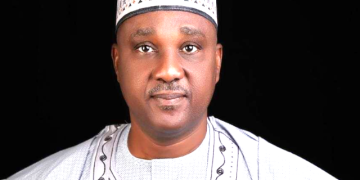
Also speaking, NPHCDA Executive Director, Dr. Muyiwa Aina, said Gavi HSS3 is unique for several reasons; It is based on the National Health Sector Renewal Investment Initiative, the NPHCDA’s Strategic Blueprint, and the Health Compact signed by President Bola Ahmed Tinubu with state governors and development partners in December 2023.
“It aligns with Gavi’s priority investment areas and funding guidelines, building on previous investments including HSS1 and the recently concluded HSS2.
“It is the outcome of an unprecedented, highly inclusive planning process involving government, partners, and civil society, bringing together diverse experts across thematic areas,” he said.