


































By Abiodun Folarin
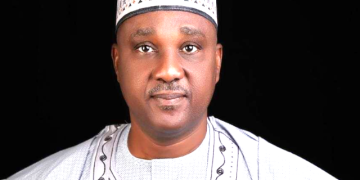
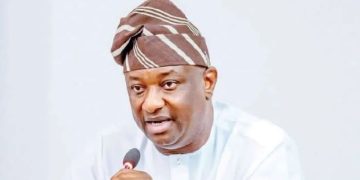
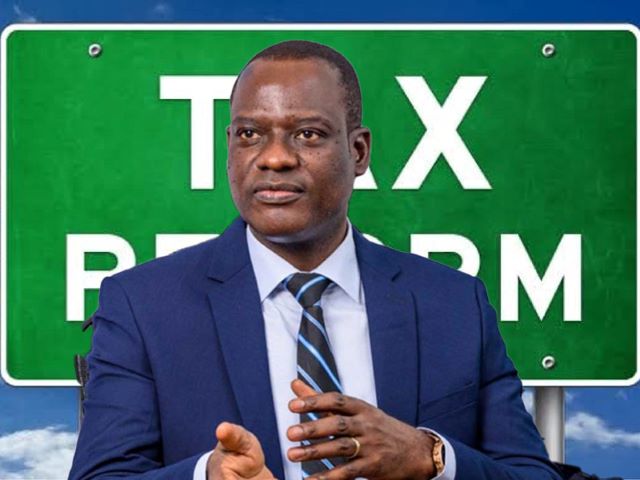
WorldStage– Nigeria’s Minister of State for Finance, Prof. Taiwo Oyedele, has called on African countries to build strong capacity for digital tax administration and engage more strategically in global tax negotiations.
Prof. Oyedele at the 5th Session of the African Union STC Sub-Committee Meeting on Tax and Illicit Financial Flows, stressed that the continent must position itself proactively within the evolving global digital economy, warning that Africa cannot afford to remain a passive participant.
At the event hosted by the Nigerian Revenue Service (NRS) at Transcorp Hilton Hotel in Abuja, Prof. Oyedele emphasized the need for African countries to maximize ongoing work at the United Nations and other global platforms, urging them to embrace present opportunities that must not be wasted. He added that coordination is no longer optional but necessary, as fragmentation is costing Africa significantly.
He said: “What is not working, and what must change? The real test begins now, after this conference, and that is diligent execution. We must implement, because without execution, tax reforms remain documents, policies remain intentions, and opportunities remain unrealized.
“With regard to tackling illicit financial flows, this remains one of the biggest threats to Africa’s fiscal sovereignty. What we have seen clearly is that it is not just a tax issue; it is also a governance and development issue.
“We must strengthen transparency systems, including beneficial ownership registers. We must enhance cross-border cooperation, use data more effectively, and ensure enforcement is credible and consistent.
“Every naira, every shilling, every rand, every dollar lost to illicit financial flows is a school not built, a hospital not equipped, and a job not created.”
According to him, tax should be paid where value is created. He reiterated that Africa must not be a passive participant in the global digital economy but must assert its taxing rights, build capacity for digital tax administration, and engage strategically in global negotiations.
He outlined three priority strategies for African countries, including: “Strengthening domestic systems by investing in tax administration, digitizing processes, and building capacity;
Deepening collaboration across countries, institutions, and regions; and Remaining committed to reform, even when it is difficult because reform is not optional. It is the seed for progress. If you do not plant it, progress will be hard to achieve.”
He added: “Distinguished participants, one thing cut across all sessions over the past three days, and that is the need for Africa to be united. We are stronger together, but we must also remember that we are only as strong as our weakest link.
“As the popular African saying goes, if you want to go fast, go alone; but if you want to go far, go together. Africa needs to go far and fast.
“Africa’s future will not be defined by its challenges, but by how decisively it responds to them. Fiscal strength is not just about revenue; it is about sovereignty, stability, and sustainable development.
“If we get our tax systems right, close the leakages, mobilize resources optimally, and spend wisely, then we will not only build the Africa we want, but also secure the Africa we truly deserve.”