








































WorldStage— The Federal Government has approved the comprehensive modernisation and upgrade of major ports located across three coastal states to strengthen Nigeria’s maritime infrastructure.
According to an official statement by Bolaji Akinola, the Special Adviser to the Minister of Marine and Blue Economy, the new approvals cover the comprehensive rehabilitation of the Onne, Rivers, Delta, and Calabar ports.
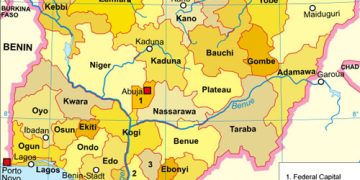
The massive undertaking targets key regional maritime gateways situated within Rivers, Delta, and Cross River states.
The Minister of Marine and Blue Economy, Adegboyega Oyetola, disclosed that this development follows earlier approvals granted for the modernisation of the Apapa and Tin Can Island ports in Lagos State.
By extending the infrastructure upgrade beyond Lagos, the administration aims to build a more balanced, efficient, and highly competitive national port system.
“This approval marks another important step in our determination to transform Nigeria’s maritime infrastructure and unlock the enormous economic potential of our ports,” Oyetola stated.
He added that modernising the four regional ports would establish alternative, highly efficient gateways for international trade, effectively reducing the historical congestion and cargo traffic bottlenecks heavily choking the Lagos axis.
The extensive upgrades are designed to integrate advanced technological solutions, improve heavy cargo-handling equipment, and boost structural capacity to meet international global shipping benchmarks.
In tandem with physical reconstructions, the ministry is deploying digital trade platforms like the Port Community System and the National Single Window initiative.
These digital systems will automate workflows, accelerate cargo evacuation timelines, and dramatically reduce vessel turnaround times.
Government officials emphasize that these interventions align directly with President Bola Ahmed Tinubu’s Renewed Hope Agenda.
The ultimate goal is to reposition the maritime sector into a premier driver for macroeconomic growth, foreign direct investments, job creation, and seamless cross-border trade.
Maritime stakeholders have widely lauded the multi-state initiative, projecting that an improved regulatory environment alongside modernized regional infrastructure will lower overall logistics costs and establish Nigeria as the preferred maritime hub for West Africa.






