












































The International Finance Corporation would immediately send a mission to Nigeria to explore scalable investment structures that could unlock private capital into the sector.
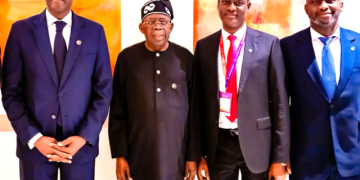
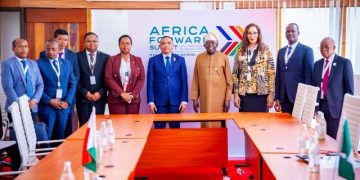
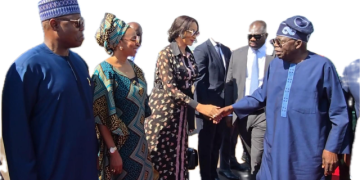
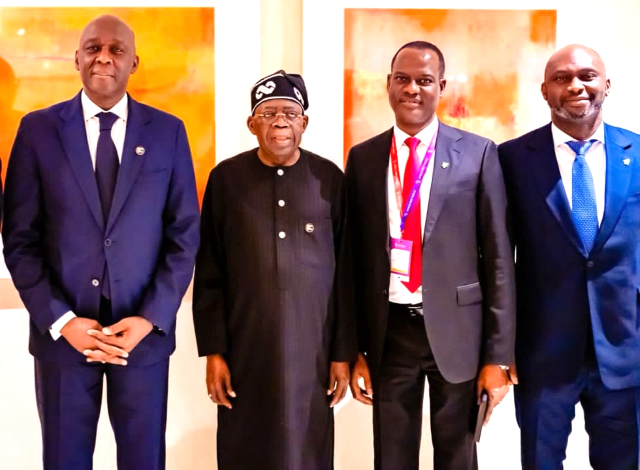
Managing director of the Corporation, Diop Makhtar, announced this in Kigali, Rwanda, on Thursday, during a meeting with Nigeria’s President Bola Tinubu on the sidelines of the 13th Africa CEO Summit.
Makhtar led an IFC delegation that included Ethiopis Tafara, Regional Vice President, Africa, and Dahlia Khalifa, Director, Central Africa and Nigeria, IFC. Makhtar said IFC is interested in discussing modalities for collaboration with Nigeria in energy, housing, and livestock production.
He lauded President Tinubu for the bold reforms initiated by his administration, especially the removal of the fuel subsidy and the harmonisation of the nation’s exchange rate.
He described Nigeria’s reform process as courageous and transformative, sending a strong signal to international investors about the country’s commitment to difficult but necessary reforms.
“President Tinubu, you have been so courageous in removing the subsidy. When you did it, I said to myself, President Tinubu took the bull by the horns,“ the Managing Director said.
At the meeting, President Tinubu reaffirmed Nigeria’s openness to harnessing private capital for institutional development.
He stated that it has become imperative for African pension funds to evolve into strategic development finance instruments capable of supporting major infrastructure and productive-sector investments.
President Tinubu also said African leaders, as well as the private sector, must focus on mobilising African institutional capital to finance infrastructure, energy transition, and long-term economic transformation across the continent.
This, he said, was fundamental to the realisation of the continental effort to upscale development across the continent and lift it out of its present socio-economic challenges.
He said the continent must also focus on decentralising energy systems and transmission infrastructure to attract private-sector investment, including strengthening regional interconnectivity and transmission lines as part of Africa’s long-term industrialisation agenda.
“If you want Africa to leapfrog, then energy transmission and decentralisation are important. The funding gap is there, and we must work together,” President Tinubu said.
The meeting discussed mechanisms for using institutional investors, local currency financing structures, and swap arrangements to deepen infrastructure funding.
Mr Makhtar said local currency facilities and banking partnerships, including structures involving Nigerian financial institutions such as Access Bank, could strengthen efforts towards interstate financial integration, ease trade, and enhance business across the continent.
He said African leaders faced common development challenges and must collectively drive what he described as “African Renaissance” built around strong African institutions and regional economic champions.