





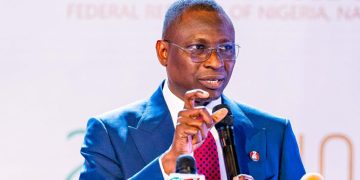









































WorldStage— In what appears like a stark departure from the aggressive wage demands that have historically characterized organised labour’s negotiations with the federal government, the President of the Nigeria Labour Congress (NLC), Joe Ajaero, has warned that implementing a ₦1million minimum wage would cause the Nigerian economy to collapse.
Ajaero made the remark during a live appearance on Channels Television where he bluntly stated that
“₦1,000,000 minimum wage will collapse the Nigerian economy.”
He argued that simply boosting nominal wages without fixing structural macroeconomic vulnerabilities would fail to improve workers’ standards of living, ultimately triggering further economic instability.
The labour leader emphasized that the focus of ongoing discussions between the NLC and the Federal Government must transcend mere salary increases.
Instead, Ajaero urged policy drivers to focus on reducing the soaring cost of living and stabilizing the purchasing power of the naira.
He noted that unless underlying drivers of inflation, such as rising food costs and escalating energy prices, are decisively tackled, any massive wage increase would be immediately swallowed by market forces.
The U-turn comes amid severe economic pressure on Nigerian households and because of which the Federal Government recently approved a ₦70,000 transport allowance for public workers to alleviate the impact of rising fuel prices.
However, critics and citizens have voiced mixed reactions to Ajaero’s remarks.
While some financial analysts praise the NLC president’s newfound economic realism, sections of the working class feel abandoned, pointing out that political office holders continue to enjoy robust allowances while ordinary citizens face unprecedented inflation.
By shifting the union’s priority from a high nominal baseline to a demand for structural price controls and currency stability, Ajaero’s comments may alter the trajectory of future labour negotiations.
Observers now wait to see how the Federal Government will respond to this call for comprehensive economic interventions rather than temporary wage fixes.





