







































BudgIT, a leading civic-tech organisation advancing transparency, accountability, and effective public finance in Nigeria, expresses concern over emerging revelations surrounding the budgetary allocation of ₦1,302,978,784 to the purported Presidential Foreign Intervention Promotion Council (PFIPC), also referred to as the Presidential Economic Advisory Council (PEAC), in the 2026 Appropriation Act. These revelations raise serious questions about the integrity of Nigeria’s budgeting process and the effectiveness of oversight across key public institutions.
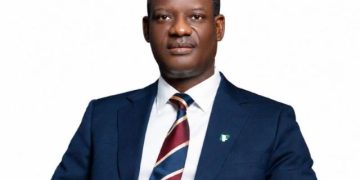
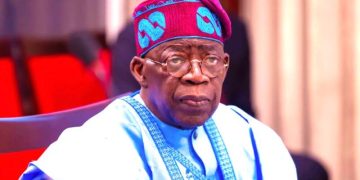
On Wednesday, July 1, allegations surfaced on social media following claims by the Director-General of PFIPC/PEAC, Prince Adeniyi Adeyemi, that he paid ₦400 million to the Chief of Staff to the President, Femi Gbajabiamila, to secure his appointment. In response, the Presidency, through the Special Adviser to the President on Information and Strategy, Bayo Onanuga, dismissed the claims, describing Adeyemi as a “criminal impostor” and stating that the purported agency does not exist under the Presidency.
However, the Presidency’s disclaimer raises critical questions that require urgent public clarification. If the agency was indeed fictitious, how did it secure office space within the Federal Secretariat, operate several Central Bank of Nigeria accounts, receive a budgetary allocation exceeding ₦1.3 billion in the 2026 Appropriation Act, navigate the various stages of the federal budget process, and engage government institutions, development partners, and diplomatic missions before questions were publicly raised about its legitimacy?
BudgIT’s review of previous Appropriation Acts indicates that the PFIPC/PEAC did not exist as a budgeted entity under the Presidency in the 2023, 2024, or 2025 Appropriation Acts. Its appearance in the 2026 budget therefore raises legitimate questions about the process through which it was introduced and approved.
This incident reflects longstanding concerns about weaknesses in Nigeria’s budgeting process. Over the years, BudgIT has consistently documented unexplained budget insertions, weak legislative scrutiny, and recurring irregularities that undermine transparency and accountability in public expenditure. In its National Assembly Insertions in the 2025 Budget report, BudgIT uncovered 11,122 projects worth ₦6.93 trillion inserted by the National Assembly without adequate justification, representing approximately 12.5 percent of the ₦54.99 trillion federal budget. Such findings point to systemic vulnerabilities that continue to expose public resources to abuse.
Beyond the allegations involving individuals, the more fundamental concern is the apparent breakdown of institutional safeguards designed to protect public resources. The federal budgeting process involves multiple layers of review across Ministries, Departments and Agencies (MDAs), the Budget Office of the Federation, the Office of the Accountant General of the Federation, the Presidency, the National Assembly, and relevant oversight institutions. The successful appropriation of over ₦1.3 billion to an entity now publicly disowned by the Presidency raises troubling questions about how these safeguards failed simultaneously.
Whether the allocation resulted from administrative negligence, deliberate manipulation, or institutional compromise, Nigerians deserve a transparent explanation. Public confidence in the budget as the country’s foremost fiscal policy document depends on the credibility of the processes through which public funds are allocated.
BudgIT therefore calls on the Presidency, the Budget Office of the Federation, the National Assembly, the Office of the Accountant-General of the Federation, the Office of the Head of the Civil Service of the Federation, the Central Bank of Nigeria and relevant anti-corruption and law enforcement agencies to immediately institute an independent investigation into the circumstances surrounding this allocation.The investigation should establish how the purported agency was introduced into the federal budget, identify all public officials and institutions involved at every stage of the appropriation process, determine whether any public funds have been disbursed, and ensure that anyone found culpable is held accountable in accordance with the law. Nigeria cannot continue to normalise recurring breaches of budget integrity. Restoring public trust requires transparency, accountability, and decisive institutional reforms that strengthen oversight and safeguard public resources.