















































By Abiodun Folarin
WorldStage– Nigeria has rallied West African countries to take coordinated and urgent action on water security and sanitation, warning that climate change, rapid urbanisation, and rising demand are placing unprecedented pressure on the region’s water resources.
The call came as the Federal Government hosted a high-level sub-regional ministerial and technical consultation in Abuja to develop the first implementation plan (2026–2033) of the Africa Water Vision 2063 policy.
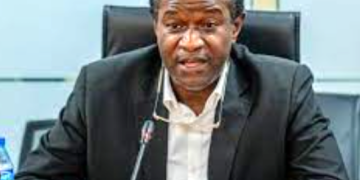
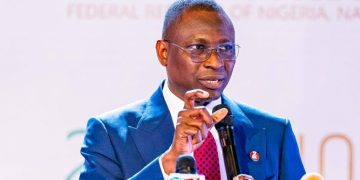
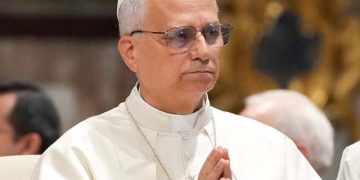
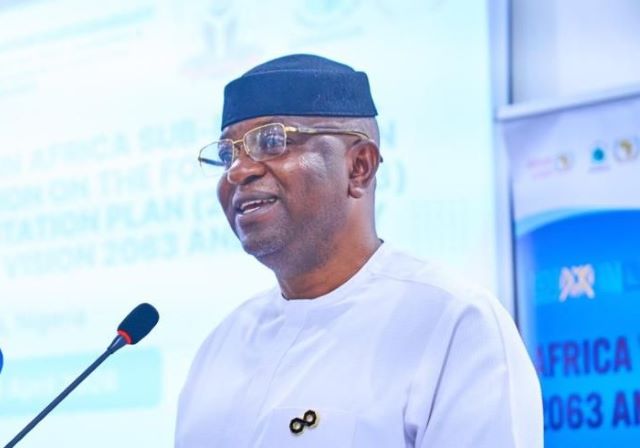
Speaking at the opening of the three-day meeting, Minister of Water Resources and Sanitation and Vice President (West Africa) of the African Ministers’ Council on Water, Prof. Joseph Utsev, stressed the need for stronger regional collaboration to close gaps in access to safely managed water and sanitation services.
He said the consultation provides a strategic platform to align regional priorities with continental goals, develop harmonised policy and financing frameworks, and identify transformative programmes that will drive water security and climate resilience across Africa.
Utsev noted that Nigeria’s hosting of the meeting underscores its commitment to advancing Africa’s water and sanitation agenda, describing the Africa Water Vision 2063 as a “transformative framework” for inclusive growth and sustainable development under Agenda 2063.
He highlighted growing pressures on water systems driven by climate variability and urban expansion, warning that without coordinated action, access to safe water and sanitation could worsen across the region.
In his welcome address, Chair of the Technical Advisory Committee (TAC), Mr. Segun Babarinde, described the consultation as a critical milestone in translating the Africa Water Vision 2063 into actionable programmes and measurable outcomes.
He emphasised the importance of leveraging technical expertise, policy insights, and regional collaboration to develop a pragmatic and inclusive implementation plan. He also called on participants to actively engage, share best practices, and contribute to shaping a results-oriented roadmap that reflects the unique priorities of the West African sub-region while supporting broader continental objectives.
Also speaking, Dr. Nyambe Nyambe of the African Union Commission described the consultation as a pivotal moment for shaping Africa’s water future, highlighting growing challenges such as rapid urbanisation and informal settlements, and emphasised the need to protect water resources from pollution and prevent conflicts.
Reaffirming regional commitment to implementing the Africa Water Vision 2063, the ECOWAS CEDEAO, Mr. Kouassi Alexis, noted ongoing efforts to update the bloc’s 2008 water policy and announced a forthcoming regional water forum in Abidjan. He stressed that water is fundamental to Africa’s industrialisation, agriculture, and overall development.
The consultation, convened by AMCOW in collaboration with the Federal Government, has drawn ministers, technical experts, and development partners to deliberate on policy direction, investment priorities, and implementation strategies for the 2026–2033 plan.
Participants are also expected to outline measurable targets, strengthen accountability mechanisms, and mobilise financing to support critical water infrastructure and sanitation programmes.
Officials from the African Union Commission and the Economic Community of West African States (ECOWAS) underscored the importance of the initiative, describing it as a pivotal step toward securing Africa’s water future and supporting industrialisation, agriculture, and public health outcomes.
The meeting, which runs until April 23, is expected to shape regional and continental policy decisions and guide investments aimed at achieving universal access to water and sanitation, as well as strengthening climate resilience across Africa.