
















































By Abiodun Folarin
As momentum builds toward the 2027 General Election, the Independent National Electoral Commission (INEC) has placed procurement reform at the core of its preparations, underscoring its importance in delivering credible, transparent and efficient polls.
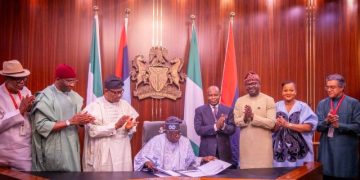
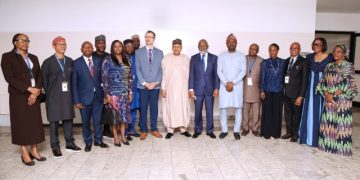
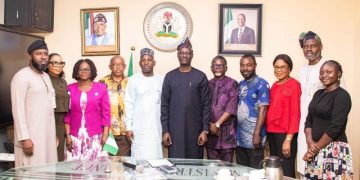
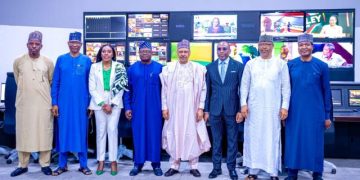
Chairman of the Commission, Joash Amupitan, made this known at the opening of a three-day capacity building workshop on procurement for National Electoral Commissioners and senior management staff, held in Lagos in partnership with the Konrad-Adenauer-Stiftung.
The event also featured the unveiling of INEC’s revised timetable and schedule of activities for the 2027 General Election, signalling an early and structured approach to planning.
Represented by National Commissioner, May Agbamuche-Mbu, the INEC Chairman stressed that strengthening procurement systems is critical to maintaining public trust in the electoral process. He noted that modern electoral management requires institutional discipline, proactive leadership and adherence to global best practices.
According to him, procurement often seen as a routine administrative function remains central to the success of elections, covering everything from ballot materials and technology to logistics, training and personnel deployment.
“When procurement is handled with integrity, it strengthens public confidence; when compromised, it undermines trust in the entire system,” he said, adding that every component of the electoral value chain must function efficiently to ensure credible outcomes.
Reflecting on his time in office, Amupitan described the past months as a period of consolidating reforms and repositioning the Commission for future challenges. He emphasised the need for continuous capacity development to equip the institution in responding to evolving electoral demands.
He also drew attention to provisions of the Electoral Act 2026, particularly the amendment reducing the notice period for elections from 360 to 300 days. The adjustment, he said, necessitates faster procurement cycles, detailed planning and stronger inter-departmental coordination.
Despite the shorter timeline, the Commission announced key election dates: Presidential and National Assembly elections will hold on January 16, 2027, while Governorship and State Assembly elections are scheduled for February 6, 2027.
Amupitan explained that early release of the timetable enhances predictability for political parties, candidates, security agencies and voters, while providing the Commission with adequate time to procure materials, deploy technology and train personnel.
In his remarks, Resident Representative of KAS in Nigeria, Tobias Ruettershof, commended INEC’s focus on procurement capacity, noting that credible elections are built on strong institutions and transparent systems.
Similarly, Director General of the Bureau of Public Procurement, Adebowale Adeline, described procurement as a strategic national function vital to democratic stability. He urged the Commission to adopt technology driven solutions, diversify supply sources and strengthen compliance mechanisms to mitigate risks.
The workshop brought together commissioners, directors, development partners and experts, with a focus on strengthening institutional capacity, promoting best practices and enhancing INEC’s readiness ahead of the 2027 general elections.