











































WorldStage– The Nigeria Export Processing Zones Authority (NEPZA) has made a case for the integration of Nigeria’s Special Economic Zones (SEZs) into European value chains to accelerate economic growth, industrialisation and shared prosperity.
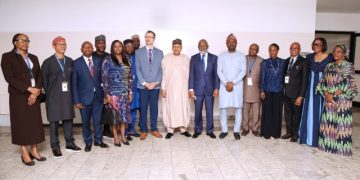
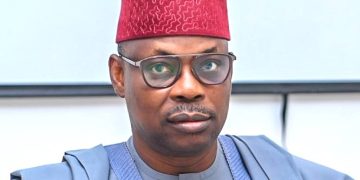
The Managing Director of NEPZA, Dr Olufemi Ogunyemi, made the call on Monday at a trade and investment facilitation meeting held at the European House in Abuja.
Ogunyemi said Nigeria’s free zones, operating under NEPZA’s strategic framework, could serve as effective platforms for deepening economic cooperation between Nigeria and the European Union (EU) amid ongoing global economic realignments.
He urged the EU to increasingly leverage Nigeria’s Special Economic Zones to strengthen and diversify its partnerships.
He said this was necessary especially as the global economic oorder was shifting away from a predictable, rules-based system to one shaped by alliances and economic pressures.
According to him, the EU’s pursuit of economic independence and resilience aligns with Nigeria’s drive to reposition its industrial base through strategically located and well-regulated economic zones.
The NEPZA chief said increased EU economic activity along Nigeria’s Special Economic Zones corridors would help reduce overconcentration of dependency, protect critical supply chains and stimulate economic engagement across West Africa.
He said that while the EU remained Africa’s leading partner in trade and investment, the existing trade structure, largely dominated by Africa’s export of raw materials posed a shared strategic challenge.
Ogunyemi said trade in goods between Africa and the EU was valued at nearly 355 billion euros in 2024, with trade in services exceeding 100 billion euros.
He, however, decried that limited value addition had continued to constrain industrial growth and human capital development.
He said greater investments in Nigeria’s Special Economic Zones would promote value addition, strengthen supply chain sustainability and enhance mutual economic benefits between Nigeria and Europe.
The NEPZA boss stressed that exploring SEZ-based partnerships would also support the EU’s efforts to build resilient and strategically aligned supply networks beyond traditional suppliers.
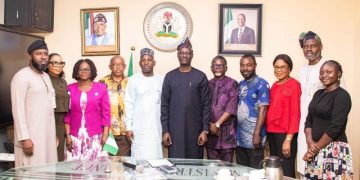
The meeting was attended by ambassadors of European nations, heads of delegation of EU member states, as well as representatives of the European Commission and the European External Action Service.