
















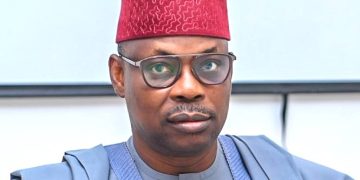































WorldStage Newsonline– Africa must bridge the gap between raw material extraction and industrial processing to unlock widespread employment opportunities, according to Billay Tunkara, the 4th Deputy Speaker of the ECOWAS Parliament.
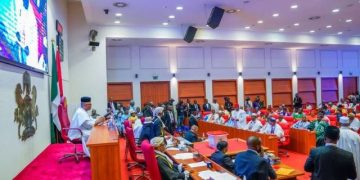
Speaking to journalists on the sidelines of the regional bloc’s delocalised meeting in Monrovia, focused on West Africa’s unemployment crisis, Mr. Tunkara stated that African nations have historically missed out on significant job creation by exporting unprocessed resources.
Mr. Tunkara noted that since the colonial era, and even throughout the post-independence period, African countries have largely functioned as exporters of raw materials—ranging from minerals to oil. These resources are then processed in Western nations, generating jobs abroad while West Africa continues to struggle with high unemployment rates.
He stressed that allowing the export of minerals in their raw form, without adding value within the continent, is not in Africa’s long-term interest.
The Deputy Speaker called for a “bold step” from African countries to establish a critical connection between the primary, secondary, and tertiary stages of production. He argued that value addition at each of these levels is essential for generating meaningful employment opportunities. “Each stage adds value; you’re also adding employment,” Mr. Tunkara said, emphasizing that every layer of the production chain offers unique opportunities for job creation that would benefit the region’s workforce.
He concluded by urging leaders across ECOWAS to “amplify our voices” in support of this vital transformation.



