







































WorldStage— In a remarkable diplomatic turnaround that is already being celebrated as an Independence Anniversary gift to millions of Nigerian Muslims, the Kingdom of Saudi Arabia has approved additional Hajj slots for Nigeria for the 2027 pilgrimage, reversing an earlier position that had left the country’s allocation unchanged and sparked widespread anxiety among intending pilgrims.
The breakthrough followed weeks of intense diplomatic engagements involving the Presidency, the Office of the Vice President, the Ministry of Foreign Affairs and the National Hajj Commission of Nigeria (NAHCON), in what officials described as one of the most coordinated efforts in recent years to protect Nigeria’s interests in global pilgrimage administration.
The approval comes against the backdrop of an earlier announcement by Saudi authorities declining Nigeria’s request for an upward review of its Hajj quota for 2027, a development that had generated concern among state pilgrims welfare boards, licensed operators and thousands of prospective pilgrims across the country.
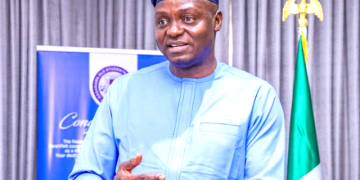
Confirming the development, the Chairman and Chief Executive Officer of NAHCON, Ambassador Ismail Abba Yusuf, described the additional allocation as a rare diplomatic gesture and a demonstration of the growing strategic relationship between Nigeria and the Kingdom of Saudi Arabia.
According to him, the feat was made possible by the strong diplomatic standing of President Bola Ahmed Tinubu and the administration’s deliberate cultivation of productive bilateral relationships across the Middle East.
“This is an Independence gift to Nigerian Muslim pilgrims,” Ambassador Yusuf declared.
He noted that what appeared impossible only weeks ago became achievable through persistent engagement, constructive dialogue and the willingness of both nations to deepen cooperation in matters affecting the welfare of pilgrims.
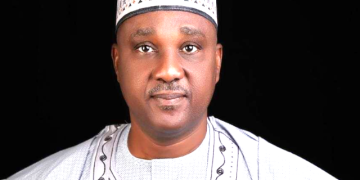
Sources familiar with the negotiations disclosed that Vice President Kashim Shettima played a central coordinating role, rallying stakeholders and ensuring that every available diplomatic channel was explored in pursuit of additional opportunities for Nigerian pilgrims.
NAHCON , working in close synergy with The Ministry of Foreign Affairs, and the Nigerian embassy in Riyad was also said to have intensified high-level contacts with Saudi authorities, presenting Nigeria’s case and emphasizing the unprecedented demand for pilgrimage slots from the country’s growing Muslim population.
The successful outcome is being interpreted in diplomatic circles as a significant vote of confidence in Nigeria’s standing within the Islamic world and in the credibility of its Hajj management framework in recent time especially with the sweeping reforms at NAHCON.
Even more encouraging, Ambassador Yusuf disclosed that Saudi authorities had indicated a willingness to consider future increases in Nigeria’s Hajj allocation if the newly approved slots are efficiently utilized and managed strictly in accordance with Saudi regulations and operational guidelines.
The assurance is expected to bring immense relief to thousands of intending pilgrims who had feared being excluded from the 2027 exercise due to quota limitations.
Industry stakeholders believe the development could significantly ease pressure on state pilgrims welfare agencies and licensed tour operators while strengthening Nigeria’s long-term prospects for securing expanded participation in future Hajj exercises.
For many observers, however, the significance of the breakthrough extends beyond pilgrimage numbers.
At a time when nations are increasingly competing for limited global opportunities and resources, Nigeria’s success in securing additional Hajj slots after an earlier rejection underscores the enduring value of diplomacy, persistence and strategic international engagement.
As the nation marks its 66th Independence Anniversary, the announcement stands not merely as an administrative achievement but as a tangible dividend of statecraft — one that will allow thousands more Nigerian Muslims to fulfil one of the most sacred obligations of their faith.
For those who had watched the initial rejection with disappointment, the message from Abuja and Riyadh is unmistakable: diplomacy has reopened the door.
And for thousands of faithful Nigerians preparing for the spiritual journey of a lifetime, that door is now considerably wider than it was only a few weeks ago.






