






























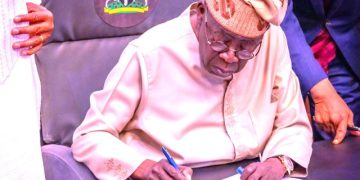






*FG laying foundation for Nigeria to become unstoppable global force
*Reforms fundamental for nation building
The Minister of Information and National Orientation, Alhaji Mohammed Idris, says President Bola Tinubu’s reforms saved no fewer than 27 states from economic collapse.
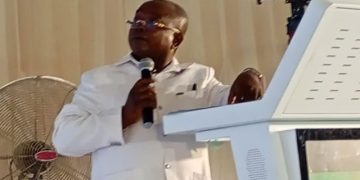
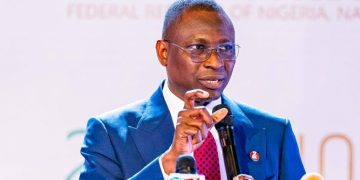
Idris said this while delivering a lecture at the 34th Convocation and 43rd Founders’ Day of the Federal University of Technology, Minna, on Saturday.
He spoke on the lecture titled “Youth and Nation Building: Navigating Opportunities in an Era of National Reforms.”
According to the minister, before May 29, 2023, about 27 states in the country could not pay salaries to their workers.
“President Bola Tinubu traverse the length and breath of this country during campaigns. He had plans to make Nigeria greater.
“Coming into power, he initiated reforms that have now saved those states from collapse.
“Now, state are getting three times of what they use to get. They can now pay salaries, execute massive infrastructure projects and deliver dividends of democracy to their people.
“These were made possible by the Tinubu’s reforms and effective leadership strategy,” Idris said.
The minister said Tinubu recognised the need for continuous reforms to correct past mistakes and advance the nation-building process.
“There is no nation building without reforms. It’s impossible for you to build a nation if you don’t continue to undertake these reforms,” he said.
Idris said reforms protected the country from the trap that the lack of them would otherwise create.
UNSTOPPABLE GLOBAL FORCE
The Federal Government says President Bola Tinubu’s reforms are laying foundation for Nigeria to become an unstoppable global force by 2050.
The Minister explained that the reforms introduced under Tinubu’s administration were deliberate and necessary steps to reset Nigeria’s economic and governance systems
“We need to state the fact that nation-building cannot happen without reform, hence it is a necessity for growth and development.
“Tinubu’s reforms are already attracting renewed investor confidence and creating opportunities across sectors.
“These include technology, agriculture, renewable energy and the creative economy, with young Nigerians positioned as primary beneficiaries.
“All these, with the right education, skilling, and preparation for the rapidly transforming workspaces of the 21st century, Nigeria will be an unstoppable global force in the arts, science, technology and innovation
“The future belongs to the youth, it is important for them to seize it from this moment and hold it dear to them, because they are the prospect of tomorrow,” Idris said.
On the new tax laws, the minister said the aim was not to burden citizens, but to create a fairer, more transparent system that unlocks resources for development and investment.
“The goal was never to take more from Nigerians, but to simplify taxation and make it fairer and more transparent”.
He also listed government-backed programmes such as the National Education Loan Fund (NELFUND), which had supported over 900,000 students on tuition fees and upkeep across the country.
The minister encouraged the graduates to see themselves as builders of the nation.
He urged them to engage actively with opportunities, develop their skills, embrace lifelong learning and consider public service as a platform for national contribution.
“You can build from where you are, with what you have.
“You do not need to wait until you have amassed wealth or influence before contributing to nation-building. Start now,” Idris said.
REFORMS FUNDAMENTAL FOR NATION BUILDING
The Minister also said reforms are fundamental to nation building and citizens’ prosperity.
In the lecture was titled “Youth and Nation Building: Navigating Opportunities in an Era of National Reforms”, the minister said Nigeria’s population was largely youthful, adding that projections showed it could reach about 400 million by 2050.
“National building is a deliberate act of forging a sense of belonging and cohesive identity among a people.
“It is much more than building classrooms, hospitals, roads and all those physical infrastructure that you can think about.
“It is about constructing a collective national mindset and transforming our geography into our unity.
“Disagreements are an inherent part of nationhood, so they are not mutually exclusive.
“It also does not mean that erasing our unique ethnic and regional identities will have to take place before a nation is forged together.
“Reforms are fundamental for nation building and prosperity of its citizens and President Bola Tinubu came up with reforms to better the country,” Idris said.
The minister listed the reforms by the President to include fuel subsidy removal, foreign exchange unification, NELFUND, new tax laws and other economic measures.
He said the reforms would benefit youths, adding that Tinubu’s decisions had positioned the country on a path of sustainable growth.
Idris also cautioned against fake news, urging Nigerians to support government efforts and seek verified information.
PATHWAYS TO PERSONAL GROWTH, NATION BUILDING
The Minister urged Nigerian youths to seize the opportunities created by the ongoing national reforms, describing them as critical pathways for personal growth and nation-building.
Speaking to the graduating students, Idris described Nigeria as a youthful nation with immense potential.
Idris stated that the country’s future depended mainly on how its young population was educated, skilled and engaged.
He said, “Nigeria, like the rest of Africa, happens to be a very youthful country, with half of our population under the age of 20, and three-quarters under the age of 35.
“With the right education, skilling, and preparation for the rapidly transforming workspaces of the 21st century, Nigeria will be an unstoppable global force.”
The minister explained that the reforms introduced under the President Bola Tinubu’s administration were deliberate and necessary steps to reset Nigeria’s economic and governance systems.
Idris further stressed that nation-building cannot happen without reform.
He added, “There is no nation-building without reforms.
“Reforms protect us from the trap of doing the same thing repeatedly while expecting different results.”
he highlighted key reforms such as the removal of petrol subsidy, foreign exchange unification and the new tax laws.
The minister said the reforms were not aimed burdening the citizens but to create a fairer, more transparent system that unlocks resources for development and investment.
Idris said, “The goal was never to take more from Nigerians, but to simplify taxation and make it fairer and more transparent.”
The minister disclosed that the reforms were already attracting renewed investor confidence and creating opportunities across sectors.
According to him, these included technology, agriculture, renewable energy and the creative economy, with young Nigerians better positioned as the primary beneficiaries.
Idris also pointed to government-backed programmes such as the National Education Loan Fund (NELFUND), which had supported hundreds of thousands of students, as evidence that the Renewed Hope Agenda is yielding real and measurable impact.
Idris continued,”Through NELFUND, we have incontrovertible proof that the Renewed Hope Agenda is real, functional, impactful, and transformational.”
In his closing remarks, the minister encouraged the graduates to see themselves as builders of the nation.
Idris also urged them to engage actively with opportunities, develop their skills, embrace lifelong learning and consider public service as a platform for national contribution.
He averred, “You can build from where you are, with what you have.
“You do not need to wait until you have amassed wealth or influence before contributing to nation-building. Start now.”
The minister congratulated the graduating students and thanked the management of the university for the invitation to deliver the convocation lecture.
Those in attendance at the epochal event were Gov. Umaru Bago of Niger, who was represented by the Commissioner of Information, Mr Obet Nana and the Vice-Chancellor of the university, Prof. Abdallah Adamu Kuta.
Others were the former V-C FUT Minna, Muftau Akanji, Sen. Peter Nda-Alkali, representing Niger South Senatorial Zone; the Director-General of the Voice of Nigeria (VON), Malam Jibrin Baba Ndace and the former Minister of Sports, Alhaji Sani Ndanusa, among other dignitaries.