

















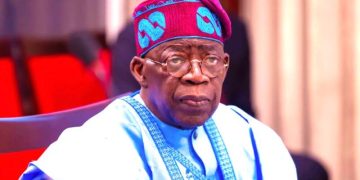




































WorldStage– President Bola Ahmed Tinubu has officially designated all armed groups and individuals operating outside the authority of the Nigerian state as terrorists, a move aimed at strengthening the country’s security architecture against insurgency, banditry, and communal violence.
The declaration, announced signaled a zero-tolerance approach toward armed actors and their sponsors.
Under the new framework, the term “armed non-state actors” encompasses a broad spectrum of groups, including bandits, violent cults, militias, armed gangs, forest-based criminal groups, and foreign-linked mercenaries.
Political protectors, arms suppliers, transporters, and owners of safe houses who aid these groups are equally liable under the terrorist designation.
Declared as categories of concern by the president are bandits engaged in kidnapping, cattle rustling, and village raids, especially in Northwest Nigeria; violent cults and secret societies or gangs involved in ritualistic violence, extortion, and urban turf wars; militias – ethnic, communal, or self-defense groups – that sometimes launch offensive attacks.
Others are armed gangs and syndicates conducting robbery, kidnapping for ransom, and urban violence; forest-based criminal groups operating from remote hideouts to carry out ambushes, smuggling, and abductions; and foreign-linked mercenaries, hired fighters from neighboring countries or international networks, supporting local conflicts; and prominent armed groups across Nigeria
Security analysts note that Nigeria’s complex security landscape features several high-profile criminal groups.
According to them, the groups include Northeast Islamist insurgents – Boko Haram (including the JAS faction) and Islamic State West Africa Province (ISWAP), responsible for attacks on civilians, military, and infrastructure.
In the Northwest and North Central are bandits/herder militias, forming armed networks in Zamfara, Katsina, and Kaduna states, including violent Fulani herder groups, the Niger Delta militants, including Niger Delta Avengers, MEND, and other oil-related militants conducting pipeline sabotage and kidnappings.
There’s again the Southeast separatist movements – the Indigenous People of Biafra (IPOB) and its armed wing, the Eastern Security Network (ESN), engaged in secessionist conflicts.
Mention is also made of urban cult groups and gangs like the Black Axe, Eiye Confraternity, Vikings, and other student or street gangs involved in violent crime.
Equally included in the group are Vigilante and communal militias, with a note that Civilian Joint Task Force (CJTF) in the Northeast and Middle Belt farmer militias, sometimes operate unlawfully.
Other criminal networks cited are forest-based kidnappers in Southwest Nigeria and foreign-linked operatives from the Sahel supporting insurgents.
The president’s declaration aligns with the 2026 federal budget, which earmarks ₦5.41 trillion for defense and security, reinforcing Nigeria’s commitment to confronting terrorism, organized crime, and communal conflicts across the country.