
























































WorldStage— The Federal Government of Nigeria said it has returned over one million out-of-school children to classrooms over the past two years, which according to it, was driven by sector-wide education reforms and social intervention programs.
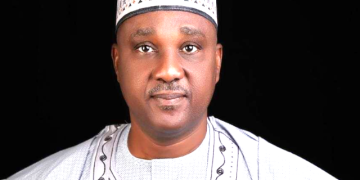
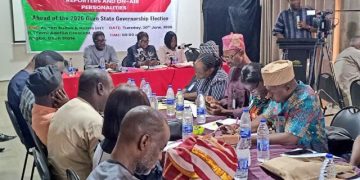
Minister of Education, Dr. Tunji Alausa, disclosed this achievement while addressing the Education Correspondents Association of Nigeria (ECAN) in Abuja.
The massive re-enrolment is a core piece of the administration’s ongoing sector-wide reforms designed to clear street children and enforce formal basic education.
According to the minister, the administration is utilizing targeted programmes, including community resilience credits and educational renewal initiatives, to expand access to basic education.
Acknowledging that current global estimates, ranging from 15 to 20 million might have been overstated, the Federal Ministry of Education and the National Bureau of Statistics (NBS) are launching a nationwide household survey to establish accurate, evidence-based baseline data.
He disclosed that the Federal Ministry of Education is partnering with the National Bureau of Statistics (NBS) to launch a comprehensive household survey.
The initiative targets exact baseline metrics rather than decades-old estimates from global bodies like UNESCO and UNICEF.
The government, Alausa added, is focusing on policy reforms that ensure systemic accountability, teacher quality, and improved learning standards.
“Policy tools like the Adolescent Girls Initiative for Learning and Empowerment (AGILE) have utilized conditional cash transfers to keep vulnerable populations in school.
“The intervention will be supported by a $500 million World Bank credit line for community resilience and a $1.2 billion HOPE program bridging basic education, healthcare, and empowerment,” the minister further disclosed.