


























WorldStage Newsonline– The Global Alliance for Vaccine and Immunization (GAVI) has demanded for accountability on investment to vaccine immunization in Nigeria, saying it was not an easy decision to extend support to the country.
The plans were to remove Nigeria from list of low-income countries eligible for the support after the 2013 rebasing of Nigeria’s economy removed it from low-income gross domestic product states, but GAVI later extended it support from 2018 to 2028.
GAVI said the conditions put in place in terms of partnership with Nigeria had been met, leading to its $1billion expanded transition from 2018 to 2028.
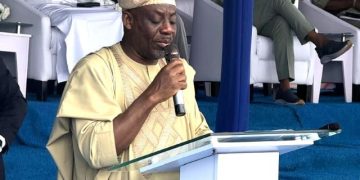
Managing Director, Country Program GAVI, Dr Hind Othman Khatib said in Abuja during a meeting on the ‘Operationalization of the Nigeria Strategy for Immunization and PHC System Strengthening (NSIPSS)’ that partners should ensure the investment are in the right place for effective immunization to save the lives of the children.
She said: “We all know GAVI has gone through a difficult time in Nigeria and we are very happy now that the first step is over.
“With Dr. Faisal leadership we can put GAVI partnership on track on routine immunization. The conditions that the board put in place in terms of partnership have been met.
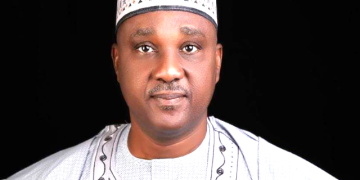
In his opening remark, Executive Director, National Primary Health Care Development Agency, (NPHCDA), Dr Faisal Shuaib, said $1billion is being provided along the line of GAVI expanded transition from 2018 to 2028.
He said: “Today our aim is how we can hold everybody accountable, starting from the Minister of Health, I the Executive Director all the way to the health care providers. How do we hold ourselves accountable to deliver PHC that matches our situation as Nigerian?
“We hope to articulate a clear strategically implementation frame work to ensure that within the next 10-20 years, we will no longer remain in the same spot.”
On the provisions of local vaccines, he said a board has been setup for local vaccine with May & Baker, which the minister of health has put them on the run to ensure that within the next three years local vaccines will be produced in Nigeria.
“In the Sixties and Seventies Nigeria was actually providing Yellow Fever vaccines, we believe that we can turn down the hand of clock and ensure that we being to manufacture our vaccine not only for Nigeria but the whole of West Africa Region. It’s possible,” he said.
On her part, Vio Mitchel, representative of Bill and Melinda Gate Foundation on the GAVI board, explained that the decision of GAVI transition in Nigeria wasn’t an easy task.
She said the GAVI investment is a consequence to other country, “the level of GAVI investment means other country may not be able to look to move forward on their plans”
She however, urges everyone in the state and federal level to make the best use of this investment to demonstrate the difference, she said.
Meanwhile, World Health Organisation Team Lead, Dr Fiona Baraka, who spoke on behalf partners, said the momentum by the NPHCDA to transform it structures and operation as a commendable step.
She said: “This bold step that is been taking are necessary and they gave us strength to leadership and commitment to resolve the systemic challenges affecting primary health care outcome including immunization.
“As partners we believe Nigeria can turn the tide with the opportunities that are presented at hand. It is very critical that this began to mitigate the consequences of vaccine preventable diseases on health and the associated economic lost in the country.”
GAVI is an international organization, a global vaccine alliance, bringing together public and private sectors with the shared goal of creating equal access to new and underused vaccines for children living in the world’s poorest countries.