






































The Federal Government has described technology as a tool for sustainable development of settlements and transformation of waste to wealth for overall well-being of urban dwellers.
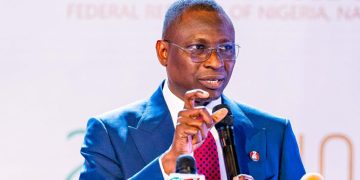
Mr Babatunde Fashola, Minister of Works and Housing (FMWH) said this in Abuja on Thursday while delivering a Keynote address at the commemoration of the 2019 World Habitat Day and World Cities Day.
The theme of the Day is `Frontier Technologies as an Innovative Tool to Transform Waste to Wealth’ and `Changing the World: Innovation and a Better Life for Future Generations’.
Fashola was represented at the event by the Minister of State for Works and Housing, Mr Abubakar Aliyu.
According to him, policymakers have the power and the responsibility to shape the future of their cities and to build the type of cities that they desire for their well-being and for future generations.
“Therefore, we are working assiduously to address the housing challenges, the infrastructure we face, the challenges posed by unplanned cities and the growing number of slums and squatter settlements.
“We want to ensure that poverty levels are drastically reduced, and that the economy grows in such a way that jobs are created and inequalities are reduced as much as possible.
“These are the major commitments of our Change Agenda for the sector which Nigerians are expectantly looking unto us to deliver by 2030,’’ he said.
Fashola said that the ministry was delivering on the Federal Government’s agenda for housing provision by aggressively pursuing the model National Housing Programme.
The minister said that the effort would turn out acceptable and affordable houses for Nigerians and create associated economic opportunities for citizens.
He added that the ministry had embarked on the review of the National Urban Development Policy and implementing urban renewal and slump upgrading programmes in several urban communities across the country.
“W are also collaborating with UN-Habitat in implementing the Participatory Slump Upgrading Programme (PSUP) as a practical strategy to tackle the bothersome slum challenge,’’ Fashola noted.
In his address of welcome, Mr Mohammed Bukar, the Permanent Secretary in the Federal Ministry of Works and Housing, said that the aim of observing the Days was to draw attention to the state of cities and towns as well as the need to address the basic human right to adequate shelter.
“It also serves to promote the international community’s interest in the United Nations Global Agenda 2030 on Sustainable Development and goals, as well as the New Urban Agenda.
“It is pertinent to state that this global commemoration is intended to promote cooperation and partnerships among countries to enable them seize the opportunities and face the challenges of urbanisation.
“Rapid urbanisation such as the type we experience in Nigeria, poses several sustainability challenges related to housing, environment, climate change, infrastructure, basic services, security, health, education, decent jobs, safety, and preservation of natural resources.
“However, by tailoring the way cities are planned, designed, built, financed, governed, and managed, urban sustainability can be attained,’’ Bukar said.
According t him, cities around the world today are viewed as drivers and incubators of innovations, industries, technology, entrepreneurship, and creativity in ground breaking ways with a view to achieving lasting impact on communities.