































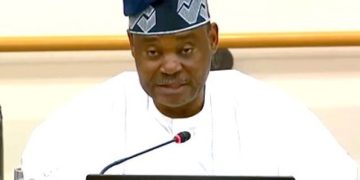




















WorldStage– Former Vice President and presidential candidate of African Democratic Congress (ADC) in the upcoming general elections, Atiku Abubakar, has strongly backed a call by the Independent Petroleum Marketers Association of Nigeria (IPMAN) urging federal government intervention with domestic refiners to slash soaring petrol prices.
In a press statement released on Thursday by his Senior Special Assistant on Public Communication, Phrank Shaibu, Atiku declared that the independent marketers had finally embraced the exact economic logic underpinning his own energy roadmap.
“IPMAN has come late to this conversation, but it has come to the right conclusion,” Atiku remarked.
He noted that the association’s stance is incredibly significant because it directly reflects the day-to-day realities of downstream operators who purchase, distribute, and sell petroleum products.
According to Atiku, these key stakeholders understand, beyond state propaganda, the intense economic damage that highly inflated fuel prices inflict on Nigerian households and businesses.
The former Vice President emphasized that the association’s position completely validates his proposal for a targeted, production-linked framework.
The blueprint relies on providing calculated government support around domestic refining capacity, such as the Dangote Petroleum Refinery, to drive down pump prices across the nation.
Atiku used the opportunity to heavily criticize President Bola Tinubu’s administration for its ongoing defense of expensive petrol under the guise of macroeconomic reforms.
He argued that the presidency has consistently tried to deliberately confuse a transparent, local-production incentive with the highly corrupt import-subsidy bazaar of previous years.
“The association is now saying that the government cannot simply stand aside while petrol prices punish Nigerians,” Atiku stated, insisting that the Petroleum Industry Act (PIA) itself explicitly mandates that local refining and affordability must be prioritized.
The opposition leader reaffirmed his commitment to building a policy coalition centered on local capacity, public transparency, and restored consumer purchasing power. He challenged the current administration to either apologize to the public for ridiculing his targeted subsidy approach or face outright rejection from citizens who have been pushed into extreme hardship.
As the debate over energy pricing intensifies, IPMAN’s alignment with a domestic refining intervention represents a major shift in the downstream sector’s outlook, placing further pressure on the federal government to review its current deregulation strategies.






