































*As Adedeji calls for urgent steps to safeguard domestic resources and address widening financing gaps
By Abiodun Folarin
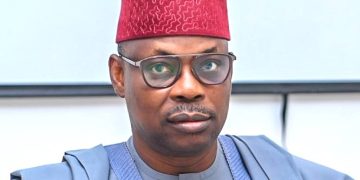
WorldStage– Nigeria’s Minister of Finance and Coordinating Minister of the Economy, Wale Edun has raised concern over Africa’s mounting revenue losses, warning that the continent forfeits an estimated $88 billion annually to illicit financial flows (IFFs), a development he described as a critical threat to sustainable growth.
Speaking at the 5th Session of the Sub-Committee on Tax and Illicit Financial Flows of the African Union on Tuesday in Abuja, Edun said the persistent outflows continue to deprive African countries of vital resources required for infrastructure, healthcare, and overall economic development.
The high level meeting, held at Transcorp Hilton Abuja, brought together policymakers, tax administrators, and development partners to examine strategies for strengthening fiscal systems amid evolving global economic uncertainties.
Edun stressed the need for African countries to reduce reliance on external financing sources such as debt, aid, and foreign investment, noting that these options are becoming increasingly unpredictable. He maintained that domestic resource mobilisation must serve as the foundation for long-term economic sustainability.
“Our ambition is to finance up to 90 per cent of Africa’s development needs from domestic resources,” he said, referencing the continent’s Agenda 2063 development framework.
He identified structural challenges including tax evasion, weak institutional capacity, and limited economic diversification as key impediments, while emphasizing that curbing illicit financial flows remains central to unlocking Africa’s fiscal potential.
Highlighting ongoing reforms under President Bola Ahmed Tinubu, Edun noted that measures such as tax system reforms, fuel subsidy removal, and exchange rate unification are beginning to improve revenue performance and boost investor confidence.
He added that initiatives like the National Single Window are helping to reduce trade-related leakages, while enhanced international tax cooperation is supporting efforts to recover lost revenues. He also cited Executive Order 9 as a key policy aimed at strengthening transparency in the oil and gas sector.
Calling for broader continental action, Edun urged African nations to expand their tax base, strengthen public financial management systems, and deepen financial inclusion. He listed institutional strengthening, digital infrastructure investment, and cross-border collaboration as critical reform priorities.
“The question is no longer whether we must reform, but how urgently and how boldly we act,” he said, warning that failure to act could leave African economies exposed to external shocks.
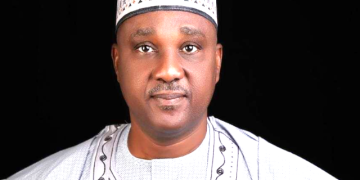
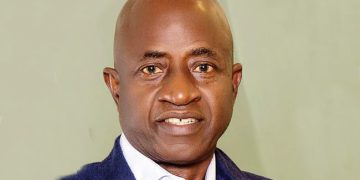
In his remarks, Executive Chairman of the Nigeria Revenue Service, Zacch Adedeji, also called for urgent steps to safeguard domestic resources and address widening financing gaps across the continent.
Adedeji noted that illicit financial flows ranging from tax evasion and trade mispricing to aggressive tax avoidance continue to weaken Africa’s capacity to fund critical sectors such as infrastructure, healthcare, and education.
“Every year, billions meant for development are lost through illegal financial transfers. These are lost hospitals, lost schools, and lost opportunities,” he said.
He stressed that the cross-border nature of illicit flows requires coordinated responses at both national and continental levels, adding that Nigeria is pursuing reforms to modernize revenue administration through expanded tax coverage, improved compliance, and digital innovation.
According to him, efficient and transparent tax systems are essential not only for revenue generation but also for strengthening public trust in government institutions.
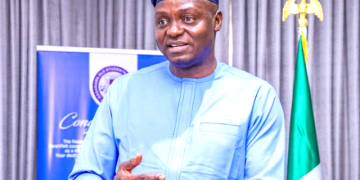
Also speaking, Executive Secretary of the African Tax Administration Forum, Mary Baine, underscored the importance of robust fiscal frameworks in achieving Africa’s development aspirations.
She said the realisation of Agenda 2063 depends largely on Africa’s ability to finance its development priorities internally, urging countries to close revenue leakages and strengthen tax systems.
“Africa’s aspirations will only be realised if we can finance them ourselves,” she said, noting that improved revenue mobilisation and curbing illicit financial flows remain central to the continent’s economic future.Participants at the session are expected to advance policy frameworks and partnerships aimed at strengthening cooperation among African countries, curbing financial leakages, and enhancing fiscal resilience across the continent.