



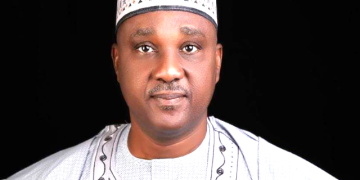



































Prof. Ibrahim Umar-Abubakar, the Director, Institute for Agricultural Research (IAR), Zaria, says the contribution of cotton to Nigeria’s Gross Domestic Product (GDP) has dropped from 25 per cent to 0.4 per cent in two decades.
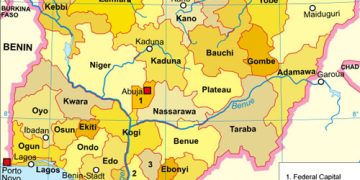
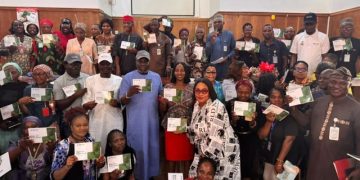
Umar-Abubakar made this known at the 2019 Annual Cotton Master Sample and Production Meeting held at Samaru, Zaria, Kaduna State on Thursday.
Represented by the institute’s Deputy Director, Prof. Dauda Yusuf, he said farmers had been into cotton production on a large scale since 1903, adding that barely two decades now, successive governments had neglected cotton production due to the oil boom.
“We discovered that due to the low interest by government in the area, cotton production has reduced considerably in the area of GDP.
“The GDP used to be 25 per cent from cotton alone but it has dropped to 0.4 per cent, but now we are very grateful to the present administration under President Muhammadu Buhari who has very high interest in agriculture.”
According to him, the present administration wants to revive textile and garment industries, pointing out that cotton is the raw material that would propel the accomplishment of such mission.
“So, our being here today is very important to the actualisation of this noble objective of present government.
“We have to adhere strictly to what the president is doing, of course his interest is very much on cotton because once cotton, textile and garment industries are revived many people will be employed.
“When people are gainfully employed, definitely the level of insecurity in the country will drastically reduce,” he observed.
The director said the institute had recently released three new cotton varieties to facilitate the revival of textile industries across Nigeria.
Umar-Abubakar identified the new varieties recently released to include Samcot 11, 12 and 13, adding that they were long staple and often resistant to pest.
“These have been released and many farmers are having access to it and very recently too, BT Cotton was also released by IAR but at the moment 1,000 farmers all over Nigeria have been given this BT Cotton for demonstration.”
Umar-Abubakar assured that the institute had been doing a lot in the area of genetic improvement of cotton varieties being one of its mandate crops and with the release of as many as 13 varieties so far.
He expressed regret that 80 per cent of the cotton producers in the country were medium-scale farmers producing with simple tools, saying non-availability of extension services and lack high quality seeds were prominent problems faced by them.
“We want the Federal Government to really come in and solve these problems. According to National Bureau of Statistics 18 states of the federation are producing cotton in large quantity.
“The area of production covered almost 400,000 hectares of land that were put into cultivation but our research institutes being our mandate crop, which is cotton have been improving in cotton production,” he said.
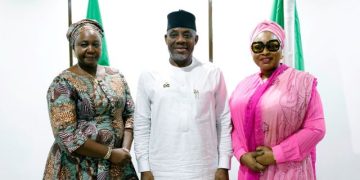
The Vice-Chancellor, Ahmadu Bello University (ABU), Prof. Ibrahim Garba urged participants to interact freely with available cotton specialists of the institute with a view to finding viable lasting solutions to problems bedevilling the textile sector.
Represented by the Deputy Vice-Chancellor, Academics, Prof. Danladi Ameh, Garba said Nigeria’s over dependency on other countries for textile materials would surely reduce if the country should produce its own cotton and revive the moribund industries.
He expressed hope that the meeting would prefer realistic solutions to the lingering problems in cotton, textiles and garment industries in the country.
Presenting a paper entitled: “Poverty Alleviation Through Cotton”, a seasoned entrepreneur in the textile industry, Alhaji Sa’idu Dattijo-Adahama emphasised that cotton “is a basic need from cradle to grave”.
Dattijo-Adahama said no responsible government would neglect textile industry, saying that neglecting textile was in a way neglecting revenue.
“Oil is not a permanent and reliable source of revenue but agro-allied is more reliable and sustainable.
“Any responsible government must think inward and device a means of how to cloth it people instead of relying on importation of textile materials from outside.
“Cotton farming and processing is a big area that can create job opportunities and lead to sustainable peace in Nigeria,” he assured.
Dattijo-Adahama has been in textile business for over 40 years.




