


























By Abiodun Folarin
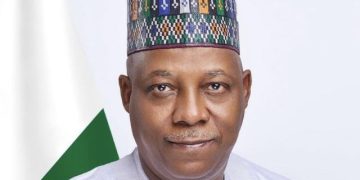
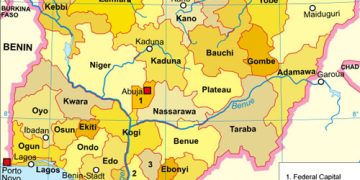
WorldStage— Nigeria has achieved Open Defecation-Free (ODF), status in 185 Local Government Areas (LGAs), while Jigawa and Katsina States have attained statewide certification, Vice President Kashim Shettima has disclosed.
Shettima, however, said the country must accelerate efforts to eliminate open defecation nationwide by 2030, warning that significant work remains to achieve the target across the country’s 774 LGAs.
The Vice President stated this on Thursday in Abuja during the commemoration of the 2026 World Toilet Day and the seventh anniversary of the Clean Nigeria: Use the Toilet Campaign.
He said the achievements recorded since the launch of the campaign in 2019 demonstrated the impact of political commitment, community participation, effective coordination and sustained investment in improving sanitation.
Shettima, who chairs the National Steering Committee of the Clean Nigeria Campaign, said the government must strengthen accountability, sustainable financing, data management, institutional capacity and behavioural change to achieve the 2030 target.
He emphasised that sanitation goes beyond the provision of toilet infrastructure, describing it as a matter of public health, human dignity, safety, inclusion and equal opportunity.
According to him, women and girls bear a disproportionate burden where access to adequate sanitation is limited, with poor facilities affecting their health, personal safety, privacy, education and participation in economic and social activities.
He therefore called for sanitation policies and investments that address the needs of women, girls, persons with disabilities and other vulnerable groups.
The Vice President said the Clean Nigeria Campaign aligns with President Bola Tinubu’s Renewed Hope Agenda, particularly its focus on improving citizens’ welfare, strengthening human capital and promoting inclusive development.
He urged state governments and local government authorities to take ownership of the campaign, provide adequate resources and strengthen institutions responsible for sanitation delivery.
Shettima also called on development partners, traditional rulers, community leaders, civil society organisations, the private sector and the media to sustain their support, stressing that ending open defecation requires collective national responsibility.
He identified the signing of the Executive Order on Open Defecation-Free Nigeria by 2030 and Other Related Matters, 2025, by President Tinubu as a significant milestone in strengthening the country’s sanitation policy and institutional framework.
The Executive Order, he said, represents the government’s determination to move from commitments to measurable results, strengthen coordination and ensure sustainable progress towards an open defecation-free Nigeria.
Earlier, the Minister of Water Resources and Sanitation, Prof. Joseph Utsev, said the Federal Government had strengthened the implementation framework of the campaign through the Revised Clean Nigeria Strategy 2025–2030.
He said the strategy was built around six pillars: enabling environment; partnerships and coordination; public finance; service delivery; advocacy and communication; and monitoring, evaluation, learning and accountability.
Utsev also identified the development and deployment of the Clean Nigeria Real-Time Monitoring and Information System (CNC-RTMIS) as a major achievement, providing a platform for improved data management, performance tracking and accountability.
He said the revised Presidential Executive Order 009, signed by President Tinubu following the extension of the national ODF target to 2030, would reinforce government commitment and strengthen stakeholder participation, private sector engagement and accountability.
The minister noted that the campaign’s seven-year journey had demonstrated that political commitment must translate into adequate financing and practical action, while communities that have attained ODF status must be supported to prevent a reversal of their achievements.
He also stressed the need for sustained behavioural change, reliable data and a multi-sectoral approach involving health, education, environment and other relevant sectors.
In her remarks, the Chief of Water, Sanitation and Hygiene (WASH) at UNICEF Emily Rand, commended Nigeria’s progress but called for accelerated implementation, warning that the country had only about three years to achieve its 2030 open defecation-free target.
She urged state and local governments to strengthen sanitation financing, develop costed ODF acceleration plans and establish regular coordination mechanisms involving relevant ministries, departments and agencies, the private sector and development partners.
Rand also emphasised the need to prioritise children and vulnerable communities, noting that sanitation facilities must be durable and resilient to climate-related challenges, including flooding and drought.
She called for sustained efforts to ensure that every child and household has access to safe sanitation facilities.
The World Toilet Day celebration also marked seven years of the Clean Nigeria: Use the Toilet Campaign, which was launched in 2019 to mobilise Nigerians towards ending open defecation and improving access to safe sanitation.