









































WorldStage– The commitment of President Bola Ahmed Tinubu’s administration to inclusive governance and expanding leadership opportunities for women is opening a new chapter in Nigeria’s education sector, as the University of Jos (UNIJOS) makes history with the emergence of its first female Vice-Chancellor, Professor Patricia Mamok Lar.
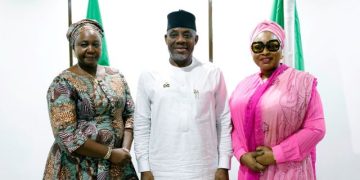
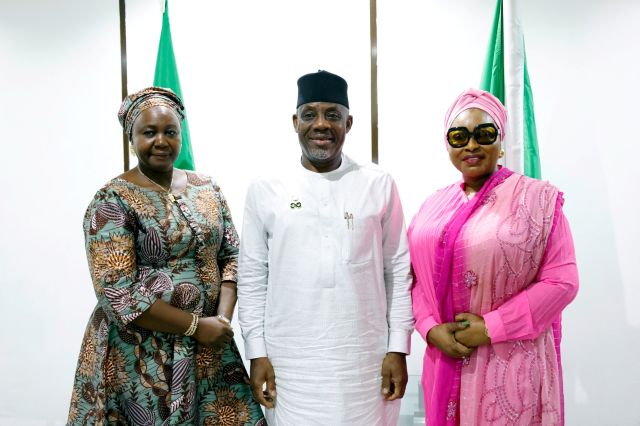
The historic development was highlighted when the Honourable Minister of Education, Dr Maruf Olatunji Alausa, CON, received Professor Lar, who was accompanied by the Pro-Chancellor and Chairman of the University’s Governing Council, Senator Grace Folashade Bent, during a visit to his office.
The emergence of Professor Lar marks a significant milestone in the history of the University of Jos and represents an important moment for women’s representation in Nigeria’s higher education system.
Equally noteworthy, according to the Minister, is the leadership of Senator Bent as Pro-Chancellor, reflecting the growing participation of women in strategic university governance and administration.
Alausa said the development resonates with President Tinubu’s vision of an inclusive Nigeria, where women are not merely beneficiaries of opportunities but active participants in leadership, decision-making and national development.
“His administration’s reform direction continues to emphasise the importance of creating an enabling environment for women to contribute their talents, experience and capabilities across all sectors.
“In the education sector, this vision is particularly significant. The presence of women in strategic leadership positions reinforces the importance of an educational system that recognises talent, promotes equal opportunities and harnesses the contributions of all Nigerians in building globally competitive institutions,” Alausa added.
The Minister commended President Tinubu for his commitment to inclusive leadership and ongoing reforms in the education sector, noting the importance of creating opportunities for women to occupy positions of responsibility and contribute meaningfully to institutional development.
Dr Alausa also celebrated the historic emergence of Professor Lar and the leadership role of Senator Bent, describing the development as an encouraging reflection of the changing landscape of women’s participation in higher education leadership.
He reaffirmed the Federal Government’s commitment to strengthening university governance, advancing educational reforms and building institutions that promote excellence, innovation and inclusive participation.
The development at UNIJOS goes beyond an institutional leadership transition. It represents a significant statement about the place of women in shaping the future of Nigerian education and the importance of ensuring that leadership opportunities reflect the diversity, capacity and potential of the nation’s population.
As the Federal Government continues to implement reforms aimed at repositioning the education sector, the emergence of more women in strategic positions reinforces the need for an inclusive educational environment where leadership is determined by competence, capacity and the opportunity to serve.
The future of Nigerian education must be inclusive, and women have a critical role to play in shaping it. This is the vision that President Tinubu’s administration continues to advance through its commitment to reforms, expanded opportunities and inclusive national development.





