
































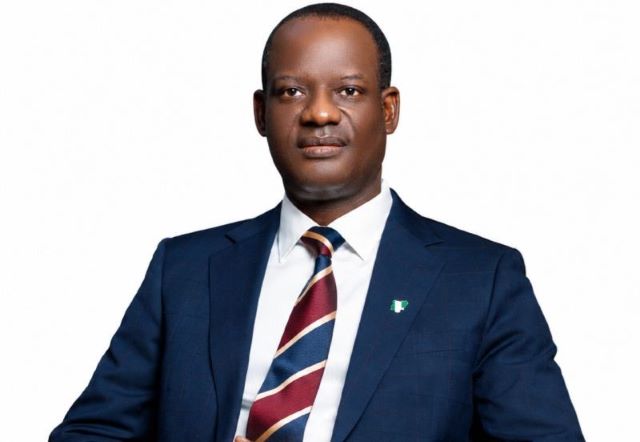
By Abiodun Folarin
WorldStage— Nigeria’s private capital inflows rose from about $300 million in 2023 to nearly $6 billion in 2026, representing a twentyfold increase, as the Federal Government seeks to convert macroeconomic stability into faster economic growth, increased investment and job creation.
The President of the World Bank Group, Ajay Banga, highlighted the increase during a meeting with the Minister of Finance and Coordinating Minister of the Economy, Taiwo Oyedele, and the Governor of the Central Bank of Nigeria (CBN), Olayemi Cardoso, on the sidelines of the 2026 IMF and World Bank Group Annual Meetings in Bangkok, Thailand, on Monday.
Banga commended Nigeria’s reform progress, while discussions focused on the next phase of the country’s economic agenda, particularly attracting private investment, strengthening domestic revenue mobilisation and sustaining growth.
Oyedele highlighted the rise in Nigeria’s tax-to-GDP ratio from about seven per cent to 12.5 per cent over the same period, saying the increase gives the government greater capacity to fund public investment without resorting to deficit monetisation.
The meeting also explored ways Nigeria could leverage World Bank guarantee instruments to unlock financing for infrastructure projects and attract more private capital into the domestic economy.
Power infrastructure and human capital development were identified as priorities for continued public investment, given their importance to business competitiveness, productivity and job creation.
The participants also emphasised the need to improve the quality of public spending to ensure that government expenditure delivers measurable economic and social benefits.
The meeting forms part of the Federal Government’s broader engagement with development partners to consolidate reform gains and attract fresh investment as Nigeria seeks to translate improved macroeconomic indicators into tangible economic outcomes.
The government’s stated priority is to turn stronger economic fundamentals into productive investment, more jobs and improved living standards for Nigerians.